

It is with the most profound sadness that we must say goodbye to our dear colleague, Jon Erickson, who passed on while doing something that he truly he loved – exploring the outdoors, hiking a wild trail in Oregon on a brisk autumn day. He is survived by his wife Amari and his daughter Kyle and son Owen. Jon was a member of the Cerione laboratory almost from its inception at Cornell, as he and Rick worked closely together for more than 30 years. Jon was a tireless and energetic researcher, having been instrumental in many of the most important discoveries in the Cerione laboratory, from the discovery of Cdc42 to more recent work on the vision system. Jon was indefatigable in his pursuit of interesting, important science, and he served as mentor to a number of graduate and undergraduate students, all of whom have gone on to promising careers of their own. But more than that, Jon was a good friend. Few of us could ever have asked for better. He will be sorely missed.
Oriana Teran Recieves NSF Fellowship

With over 12,000 applicants and only 2,000 awardees, the NSF GRFP is a highly competitive fellowship that tries to fund the next generation of innovative scientists who have demonstrated their likeliness of having a significant impact in their field and whom have demonstrated excellence in broad community service.
Oriana wrote her proposal on elucidating the biochemical function of two conserved domains within DOCK7, a guanine nucleotide exchange factor (GEF). DOCK7 is traditionally classified as a Cdc42/Rac GEF2, belongs to the Dock (Dedicator of Cytokinesis) family of GEFs and contains two evolutionarily conserved domains, DHR1 (a putative lipid binding domain3)and DHR2 (Cdc42/RacGEF2). Previous studies in the Cerione laboratory showed thatDock7 is essential for the transformation of HeLa cervical carcinoma cells. Furthermore, both Dock7 domains were able to restore the transformative properties of HeLa cells as well asthe phosphorylation of S6 kinase, a key downstream effector of mTORC1, after the knock-down of Dock7. She will set out to establish the importance of these two functionally distinct domains of Dock7 as they relate to mTORC1/Rheb signaling.
The lab is proud of her accomplishments! We are delighted to have such brilliant, talented students like Oriana in our team. Congratulations!
To learn more about the NSF GRFP please follow the link here (will open new window)
Undergraduate Emily Wang receives poster award at NCRC

Emily Wang
Dr. Elena Panizza Joins the Cerione Lab!

Earlier this month, Dr. Elena Panizza joined the Cerione Lab as a Postdoctoral Associate.
Elena’s main research interest is to investigate molecular mechanisms underlying the development of cancer by employing system biology approaches to formulate hypotheses coupled with target analyses for validating them.
Elena’s background is in Medical Biotechnology, from which she graduated at the University of Turin in Italy. She then moved to the Karolinska Institutet in Sweden to pursue her doctoral studies in mass spectrometry-based proteomics and phosphoproteomics. A large part of Elena’s doctoral work focused on optimizing a method for phosphoproteomics analysis, which led to the identification and quantification of more than 18,000 phosphorylation sites in HeLa cells across ten experimental conditions. In addition to focusing on method optimization, she also addressed the question of the functionality of the identified phospho-sites, which is currently a main issue in the phosphoproteomics field, as the majority of the phospho-sites identified by large-scale analyses is not known. In particular, in this study she compared HeLa cells that underwent mitotic arrest with an asynchronous population, seeking to identify novel protein phosphorylation events that have a regulatory function in the progression through mitosis. By employing bioinformatic approaches such as kinase association analysis, Elena was able to pinpoint 165 novel phospho-sites that are putatively functional during mitosis (1).
Her doctoral work also included the application of proteomics and phosphoproteomics analyses to investigate molecular mechanisms associated with the development of metastases in breast cancer cells (2), and the role of the membrane pump Na+/K+-ATPase as a signal transducer in immortalized kidney cells (manuscript in preparation). Overall, she learned the foundations of mass spectrometry and gained experience in optimizing workflows and sample preparation methods for mass spectrometric analysis. Additionally, Elena learned a number of bioinformatic approaches to analyze and interpret large-scale datasets generated by her mass spectrometry, as well as transcriptomics datasets, and to formulate hypothesis based on them.
For her postdoctoral work, Elena will take on the effort to investigate the molecular mechanisms underlying aggressive and therapy-resistant phenotypes induced by tumor stem cells in glioma, and aim to do so by coupling the system-level analyses that she previously learned with a set of targeted methods.
We are excited in having Dr. Panizza join the lab!
1. Panizza E, Branca RMM, Oliviusson P, Orre LM, Lehtiö J (2017) Isoelectric point-based fractionation by HiRIEF coupled to LC-MS allows for in-depth quantitative analysis of the phosphoproteome. Sci Rep 7(1):4513.
2. Reithmeier A, et al. (2017) Tartrate-resistant acid phosphatase (TRAP/ACP5) promotes metastasis-related properties via TGFβ2/TβR and CD44 in MDA-MB-231 breast cancer cells. BMC Cancer 17(1):650.
Yang Gao's Article Selected as one of Journal of Biological Chemistry's Editors’ Picks
The Cerione lab would like to congratulate Yang Gao, a PhD Candidate in the Chemistry and Chemical Biology field, as his recent publication in The Journal of Biological Chemistry (JBC) was chosen as an “Editor's Pick.” The editors at JBC annually select papers that are within the top 2% of articles in terms of their significance and impact. In his paper, Yang describes the isolation and structural characterization of the G protein coupled receptor (GPCR) Rhodopsin in complex with its heterotrimeric G-protein signaling partner, transducin, to better understand how GPCRs catalyze G-protein activation and signaling. It was stated in an editorial “JBC Highlight" from Dr. Carmen Dessauer (U. Texas at Houston), that the work done by Gao et. al., "...likely represents a close approximation of the GPCR–G protein activation complex formed in its native lipid environment," a feat that has been difficult to accomplish and one that has significant importance, as this GPCR is responsible for why humans and other vertebrates can see.

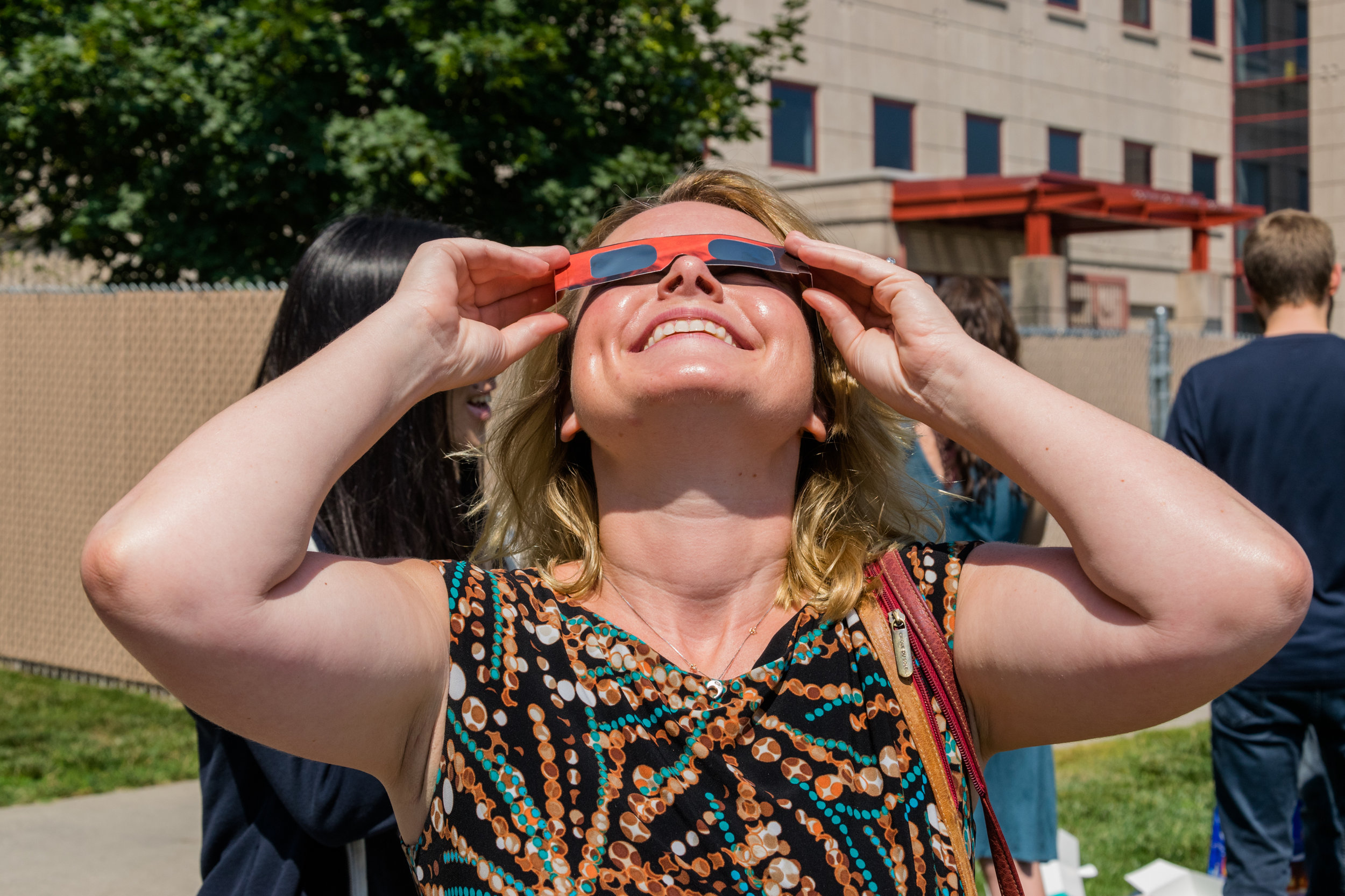
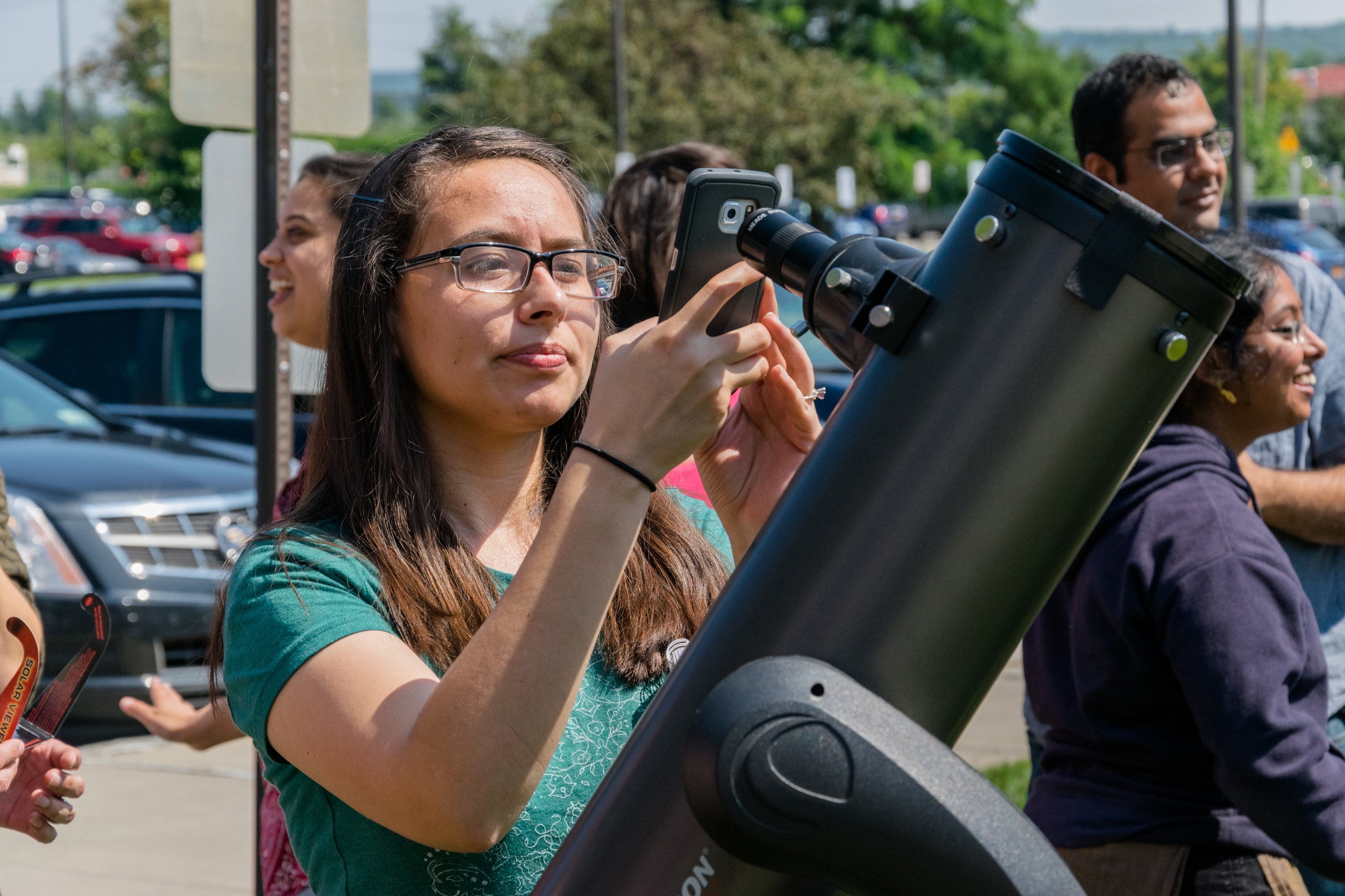
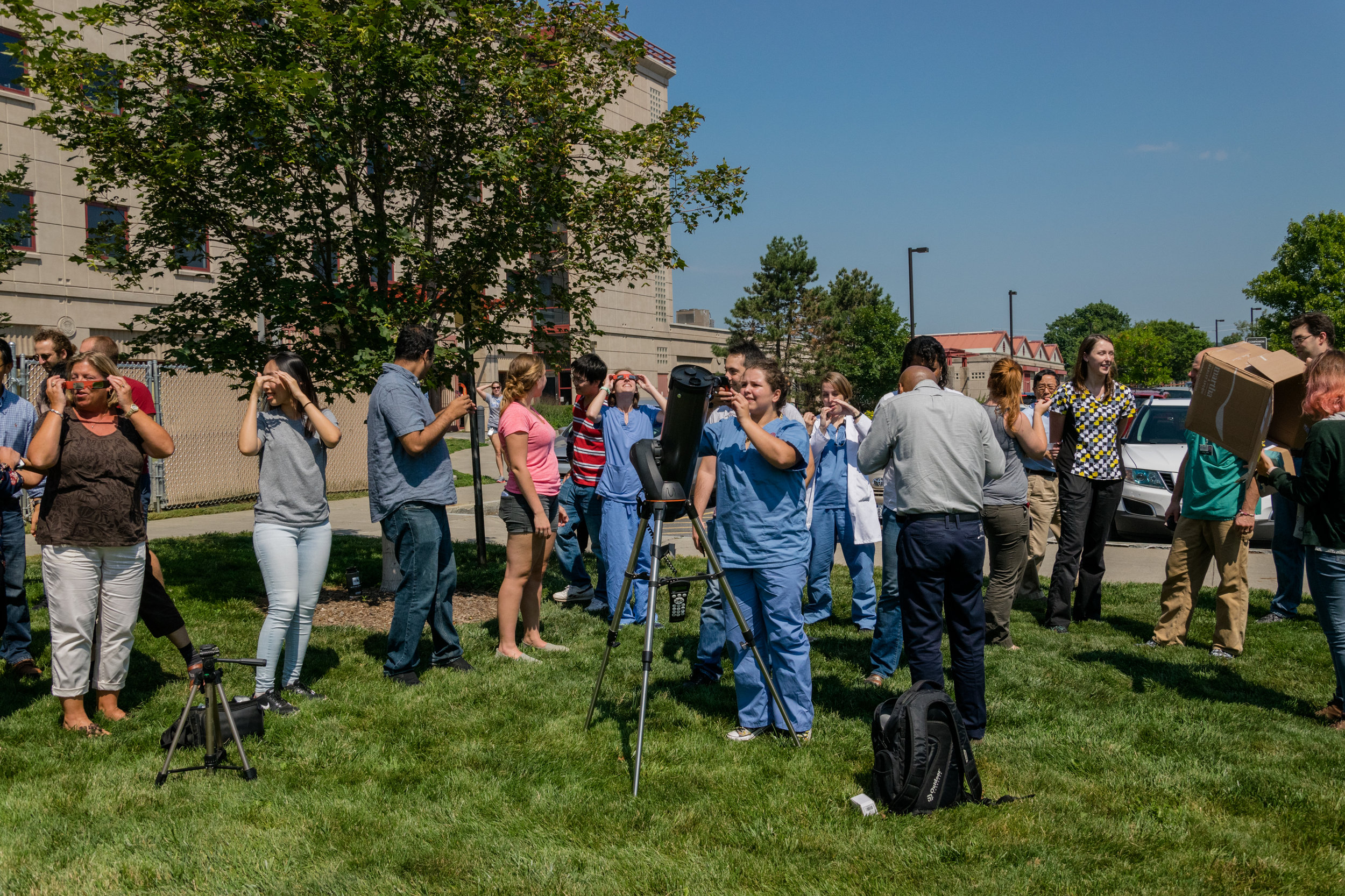
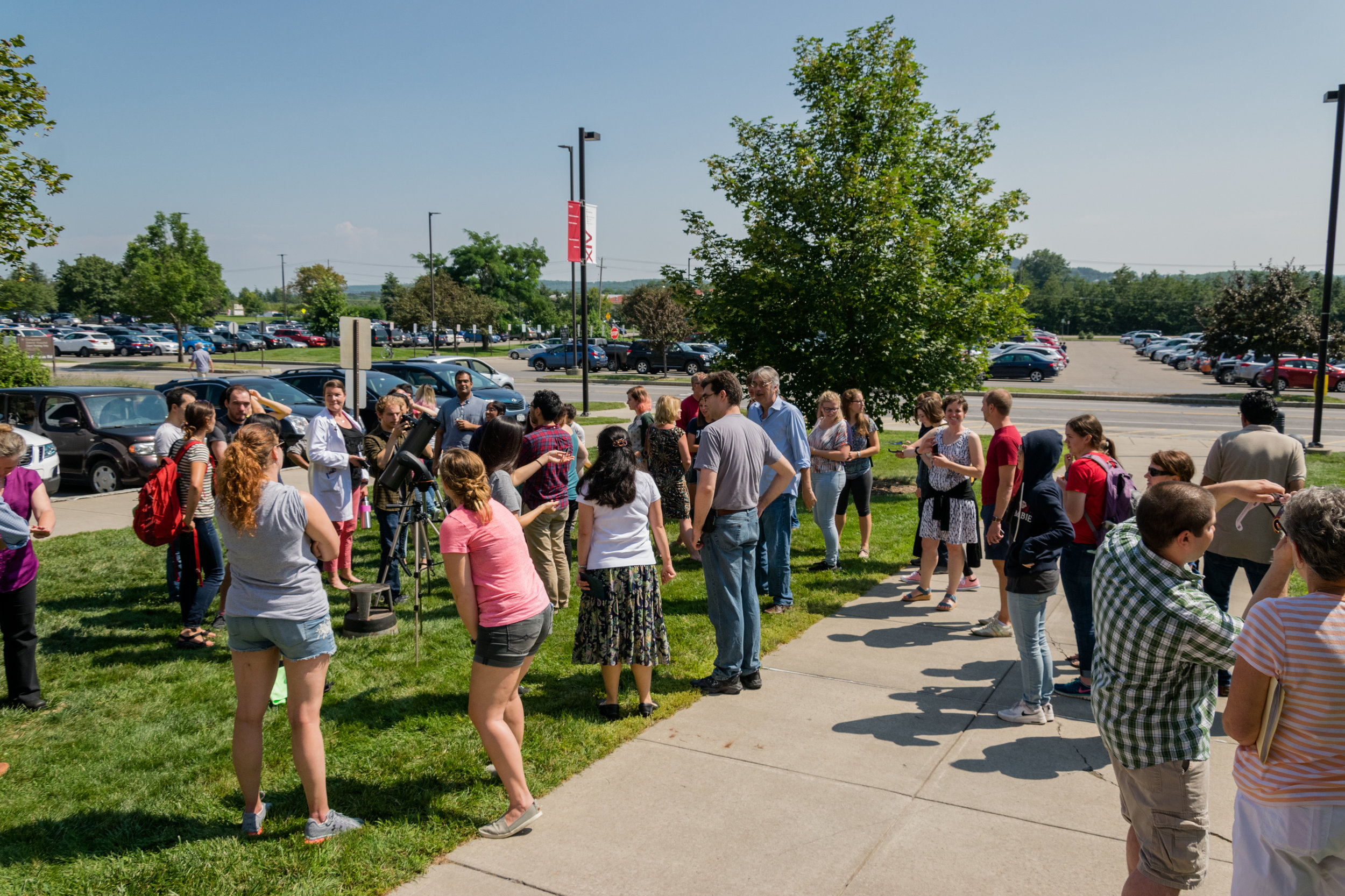
Cerione Lab Brings Solar Eclipse to Cornell's Vet School
On what seemed to be a gloomy day for Cornell, in Ithaca New York, the Cerione Lab decided to take fate into its own hands to bring the eclipse to the community. Spearheaded by William (Bill) Katt, who had prepared for this event months in advance, brought his sun-friendly telescope and glasses for all the enjoy.
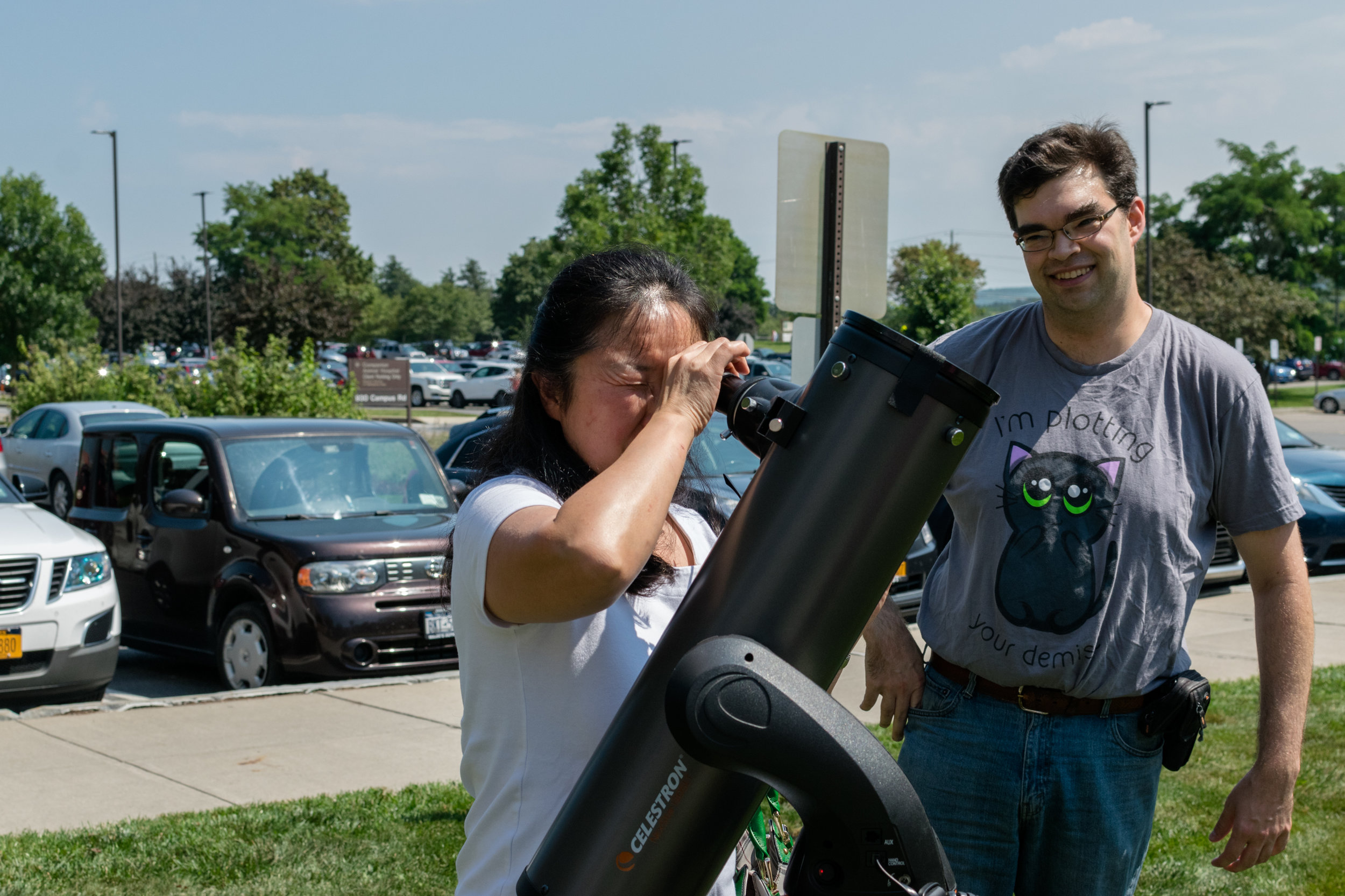
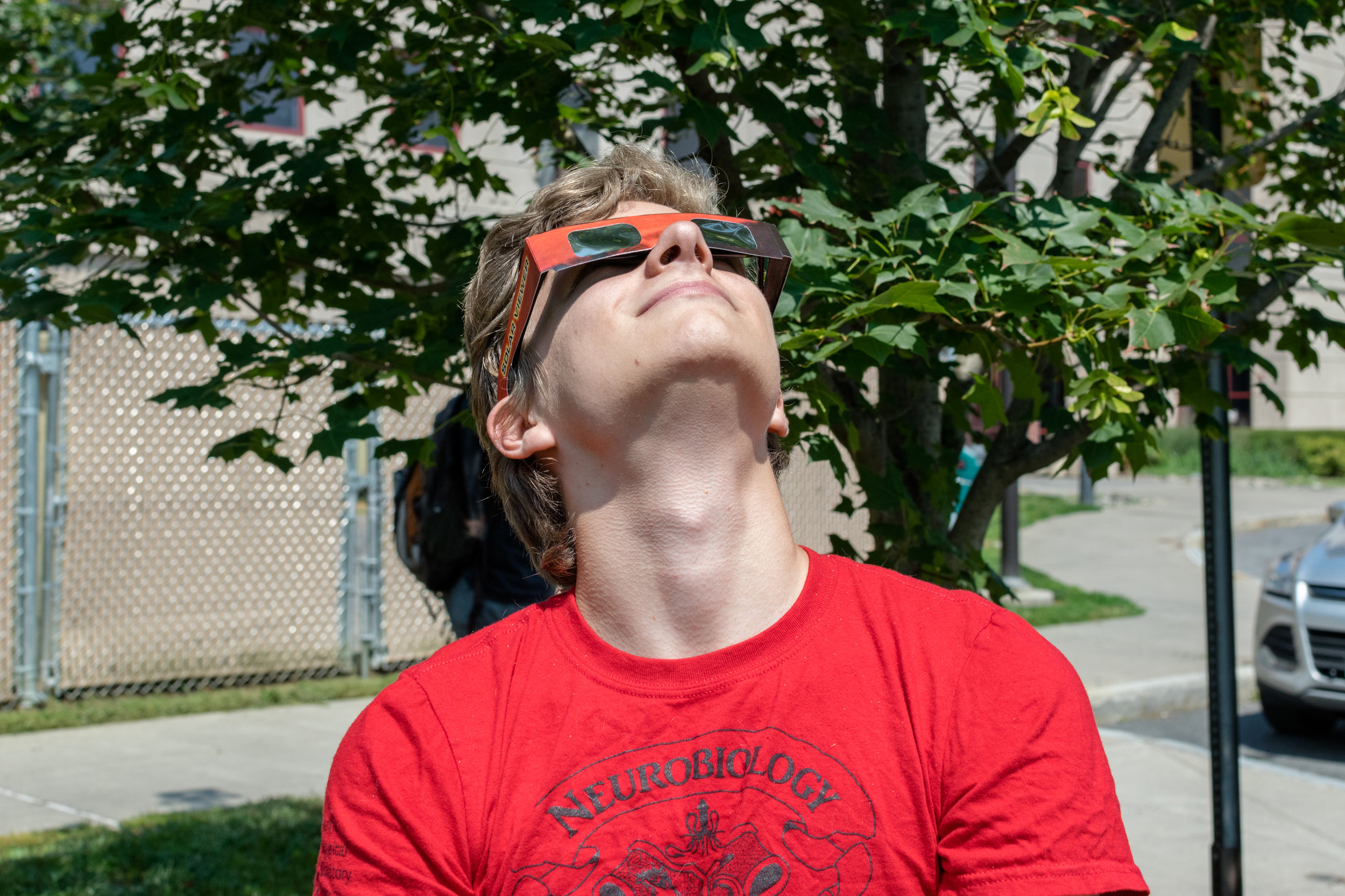
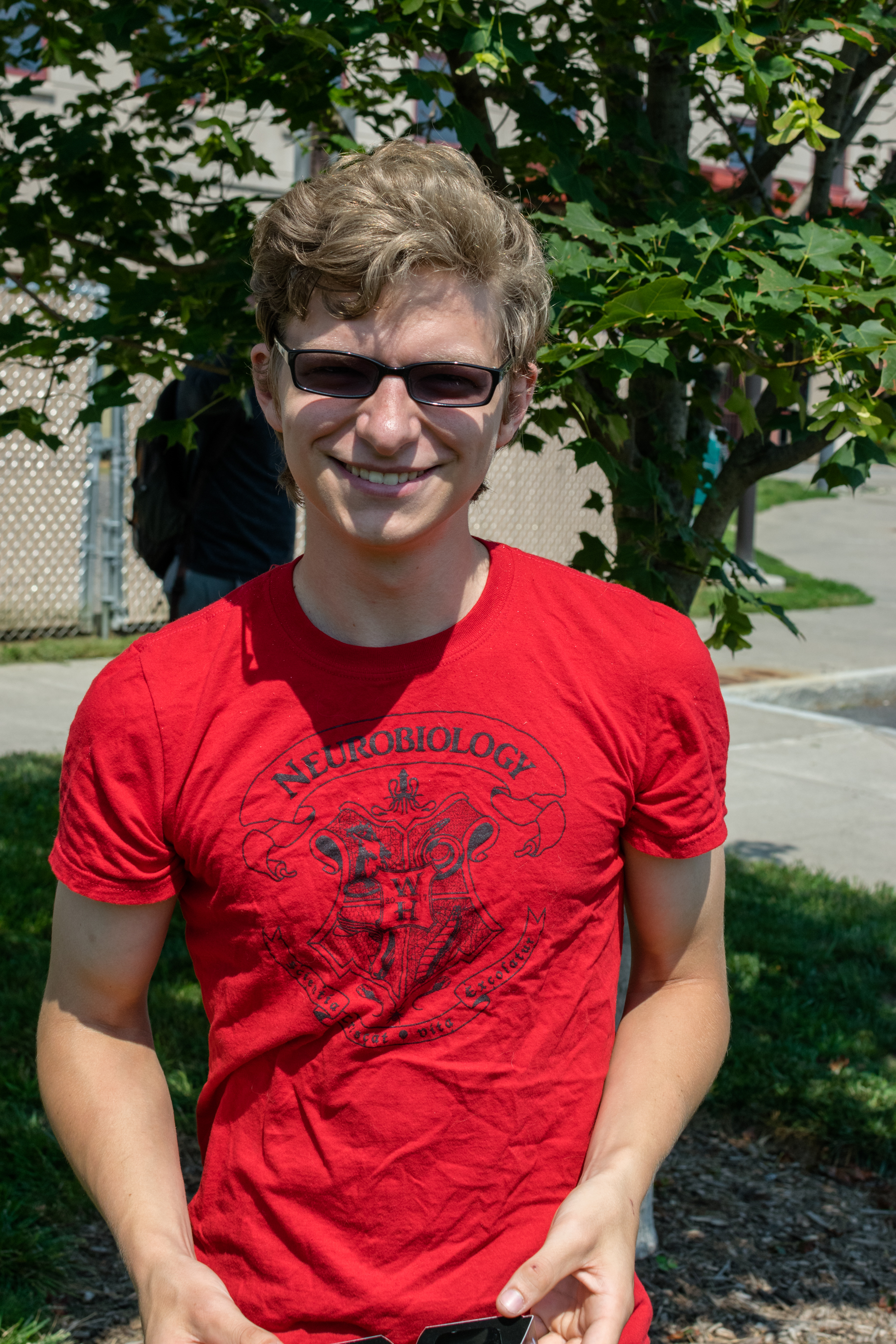
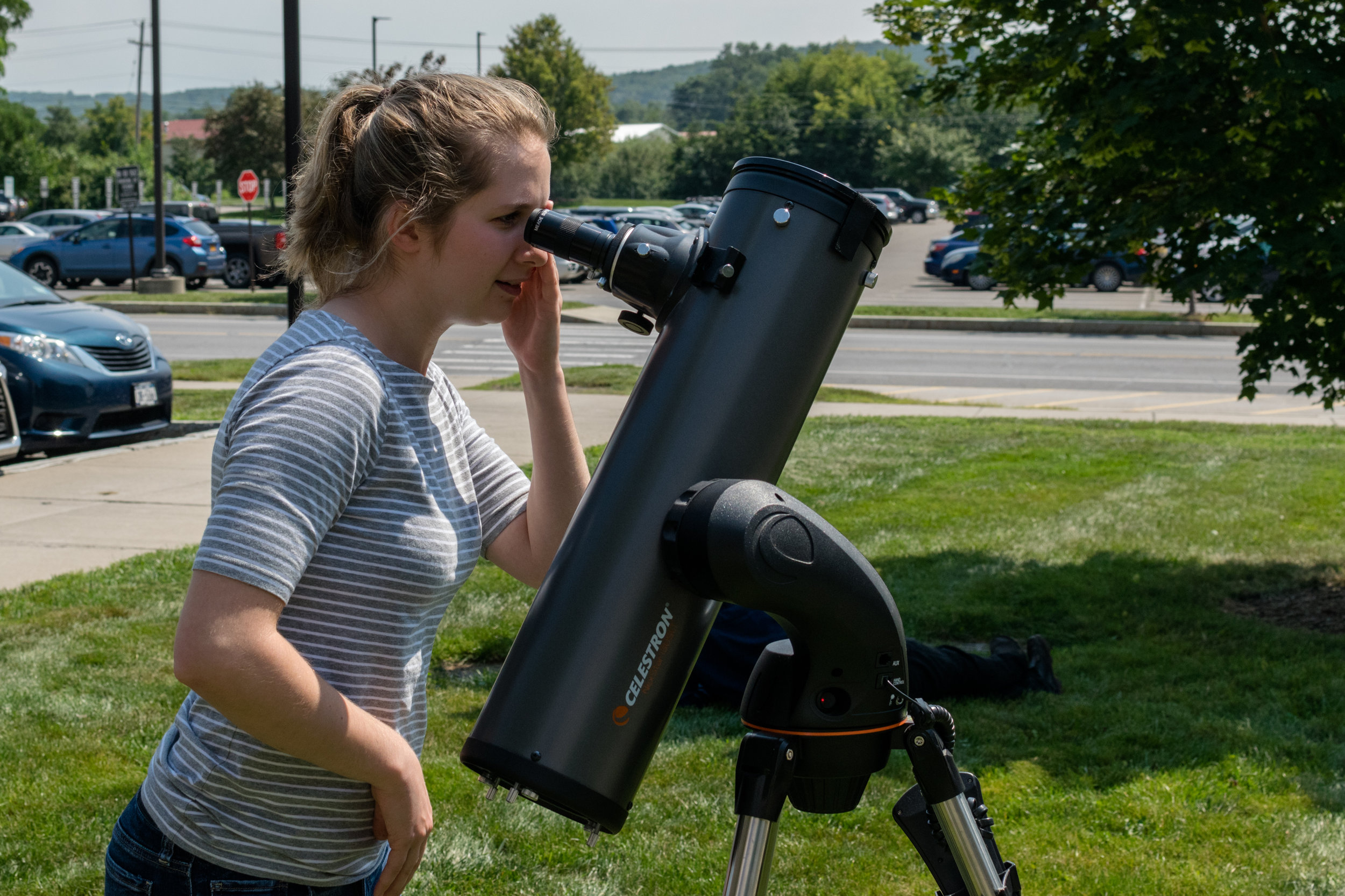
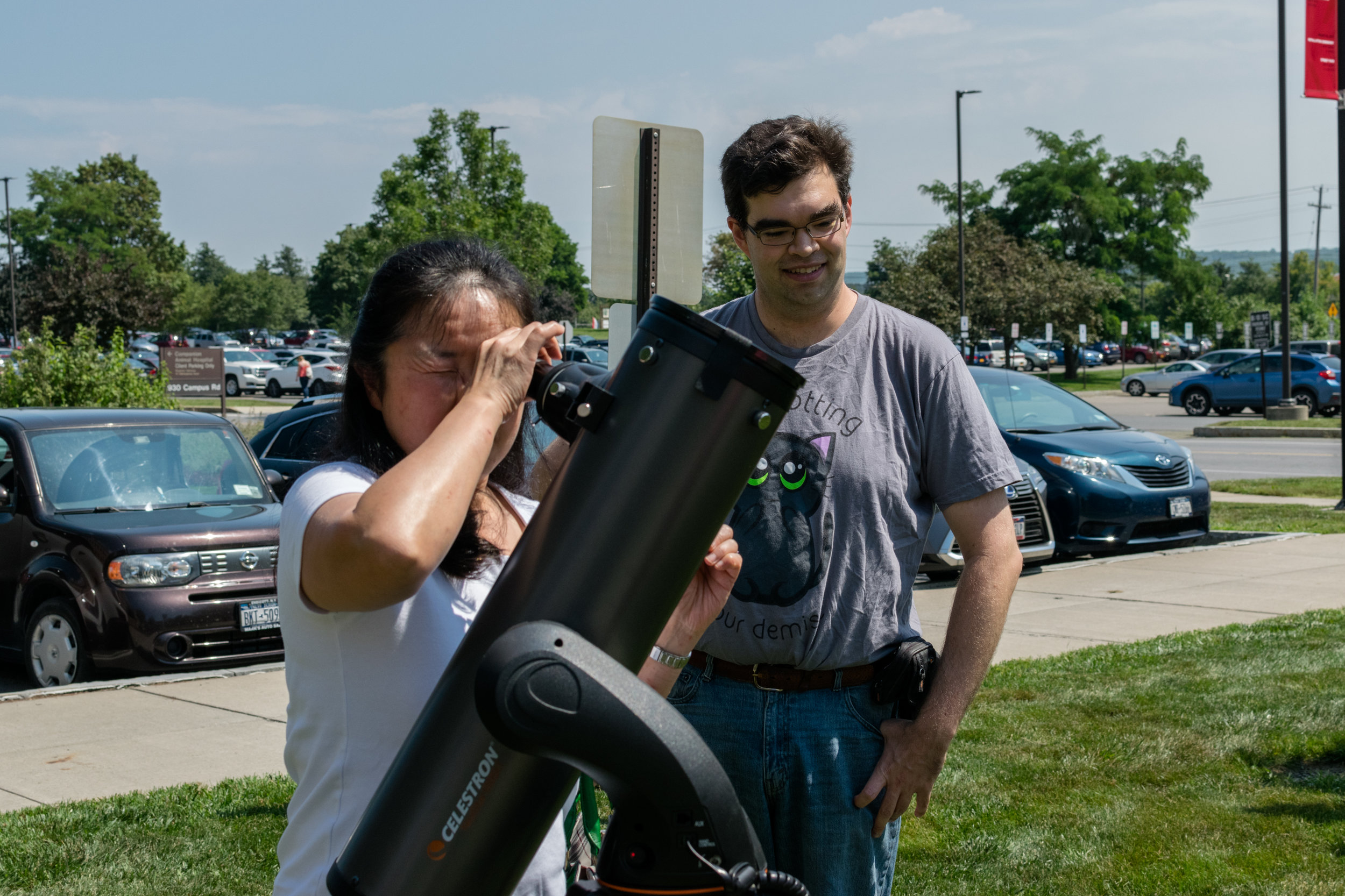
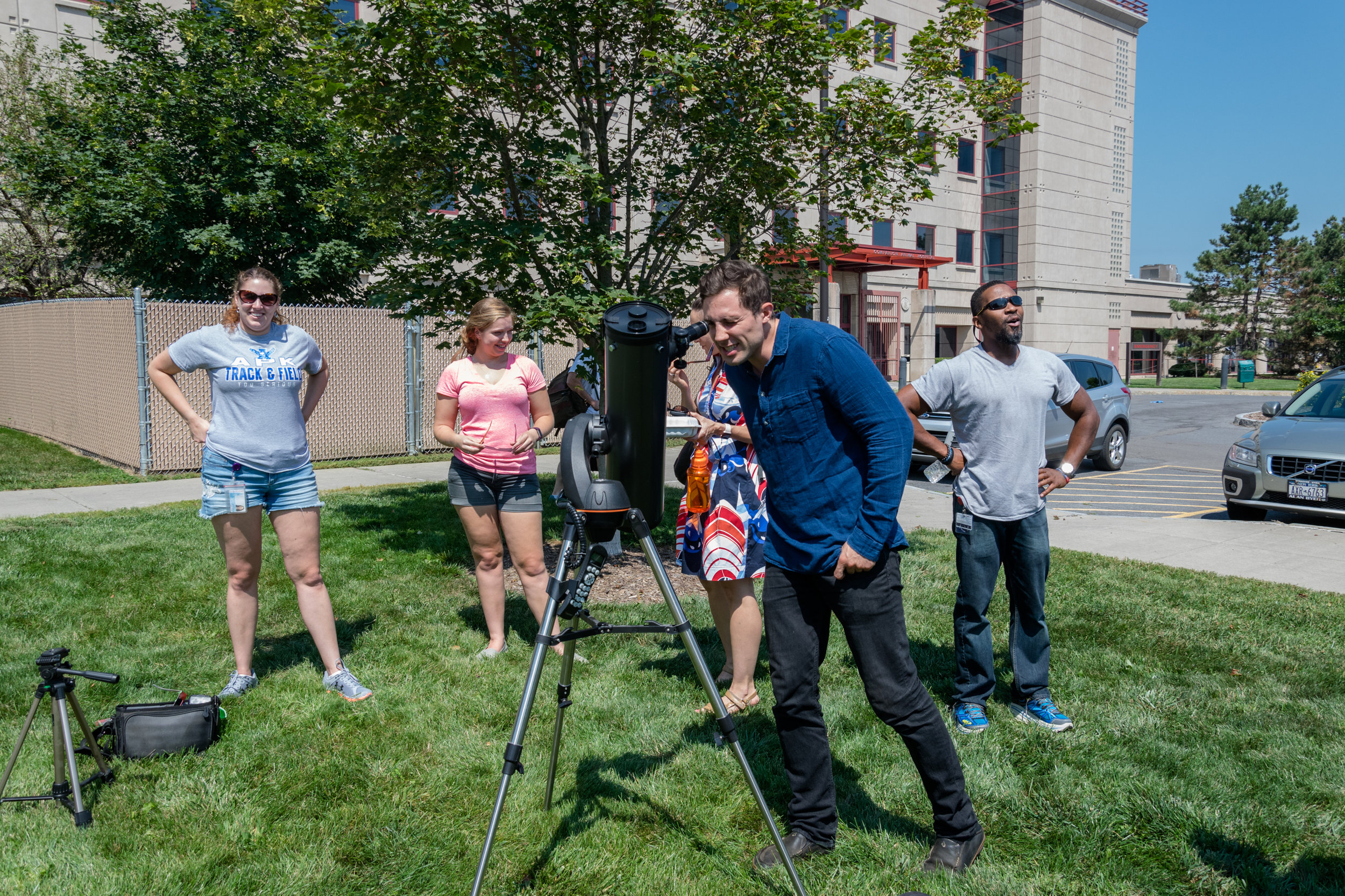
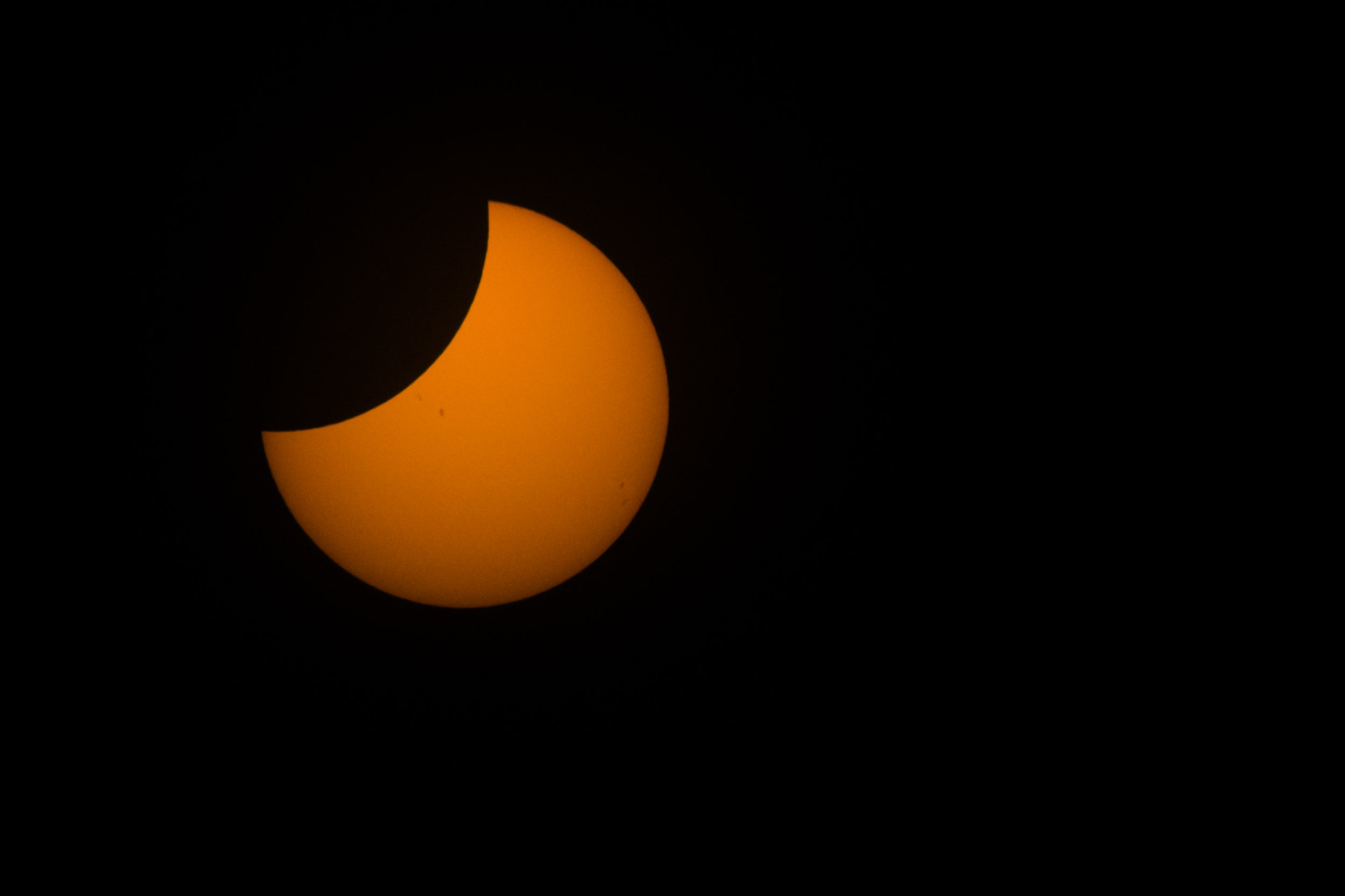
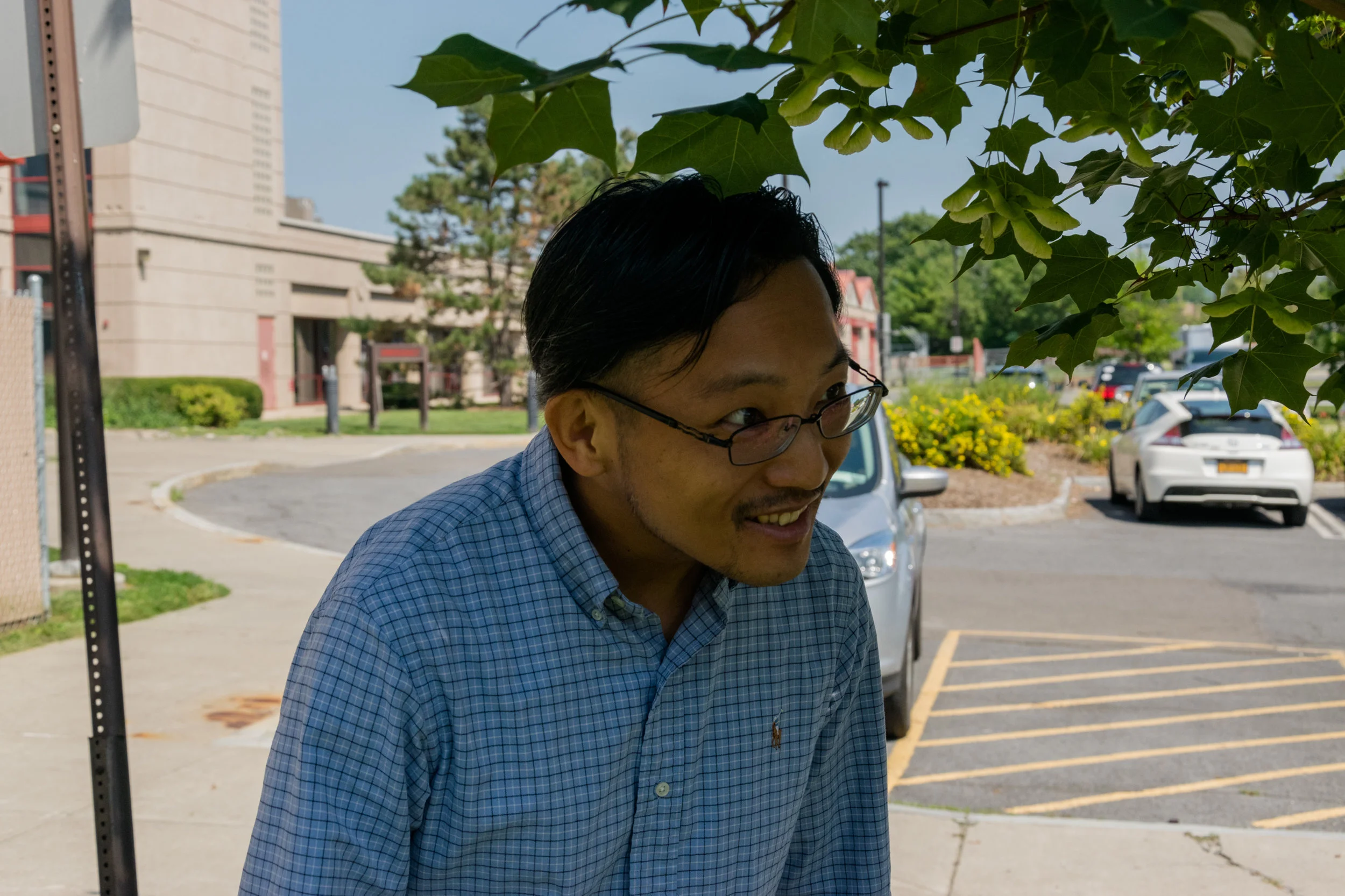
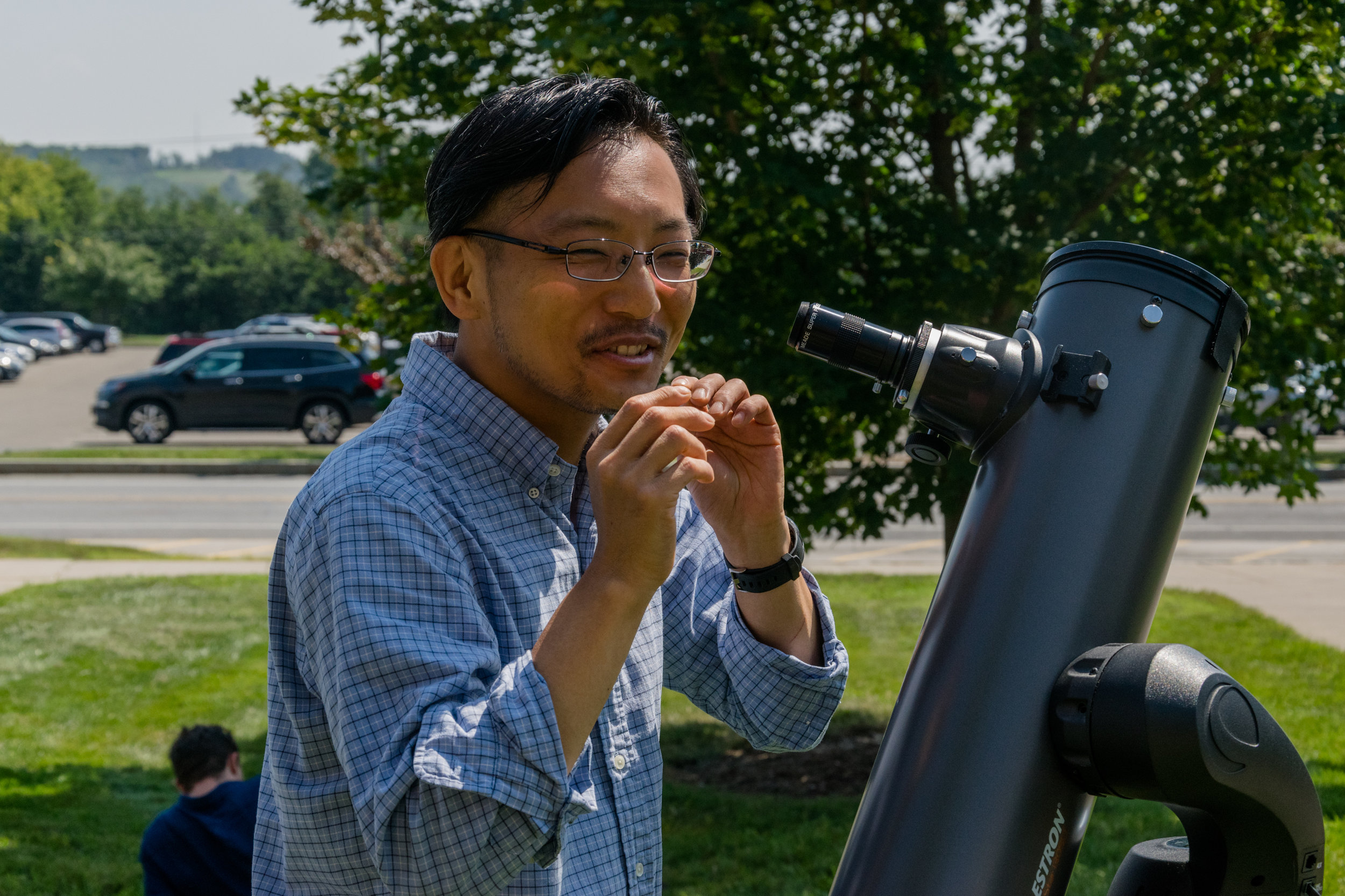
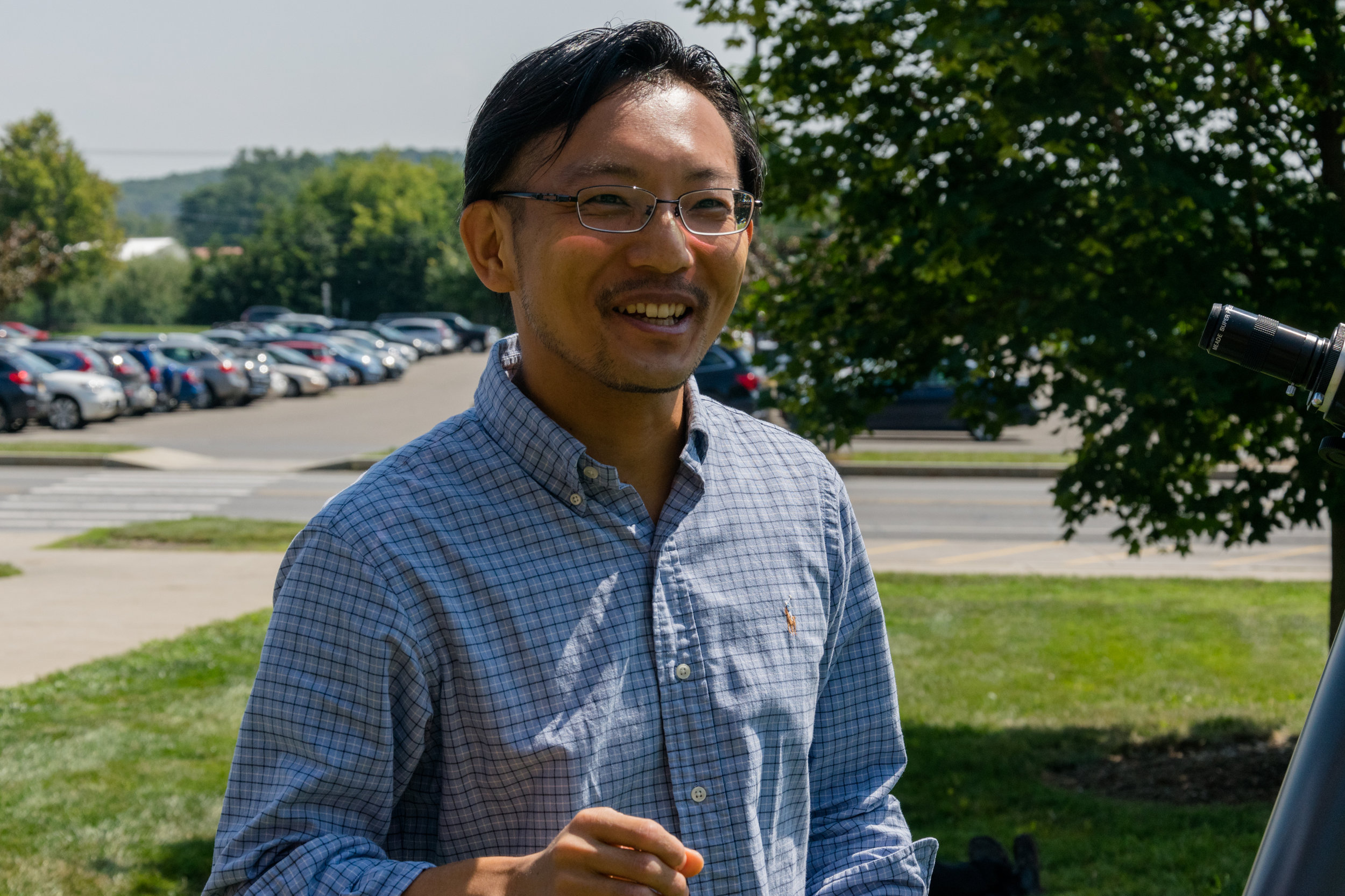
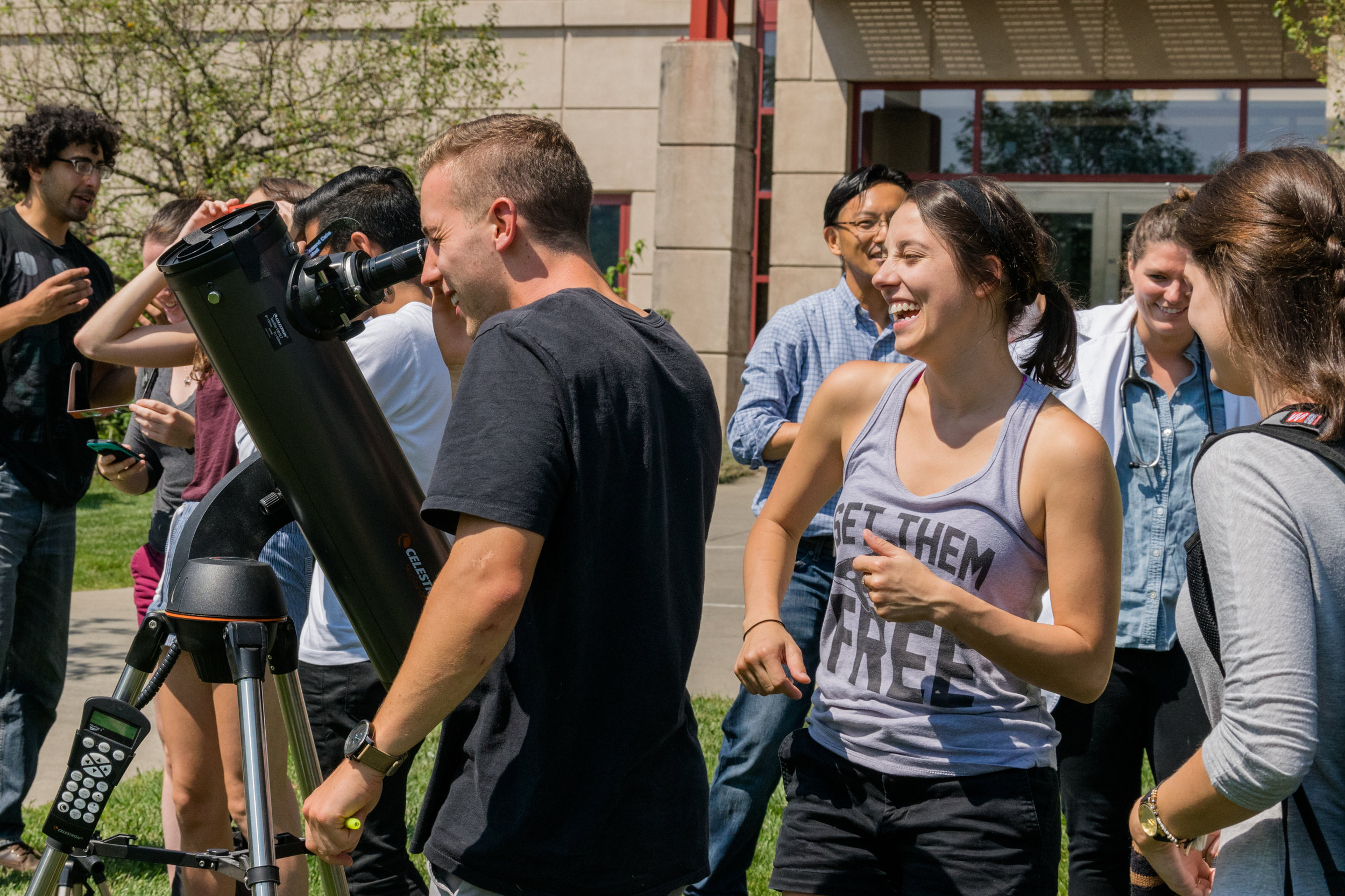
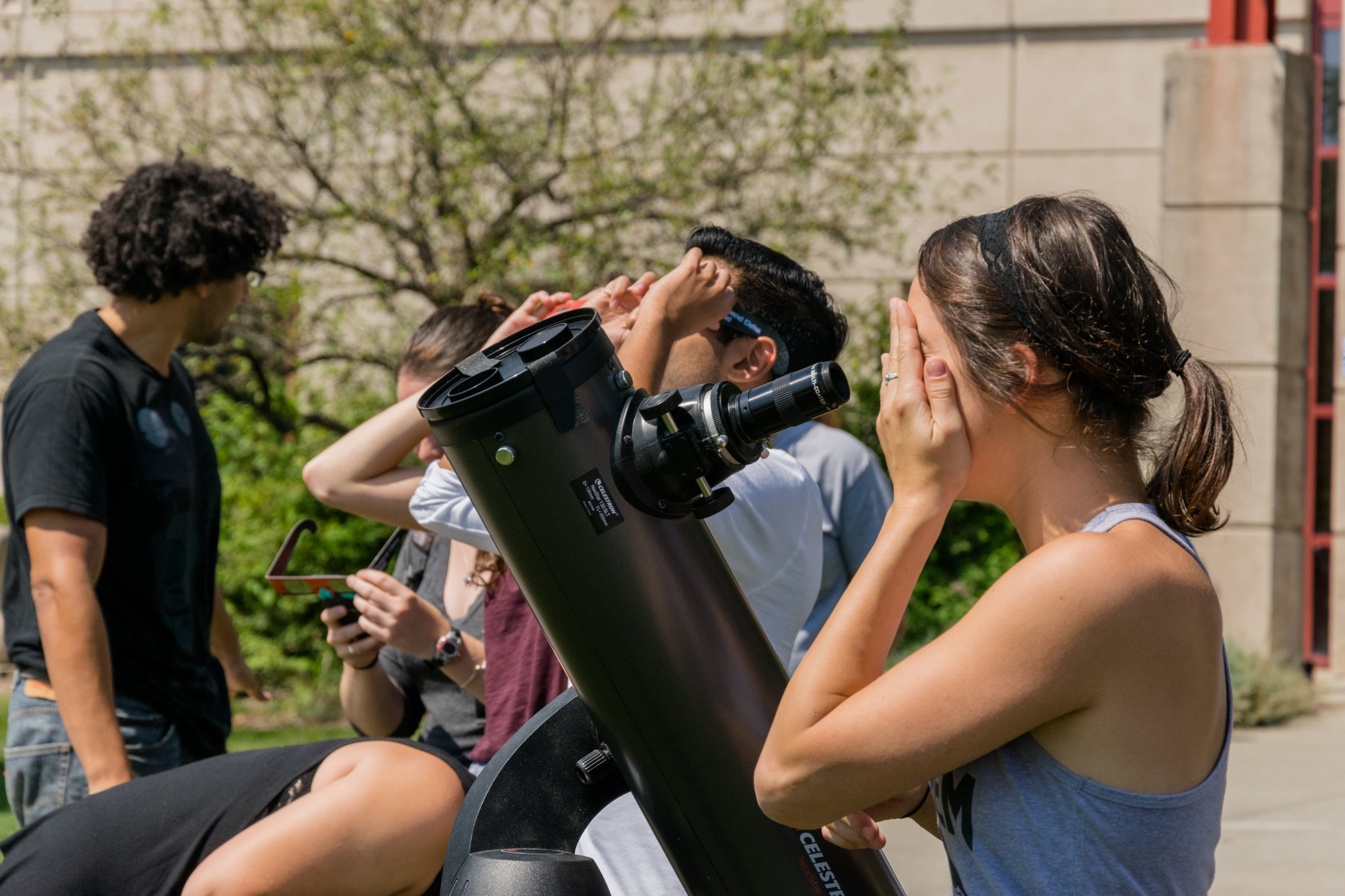
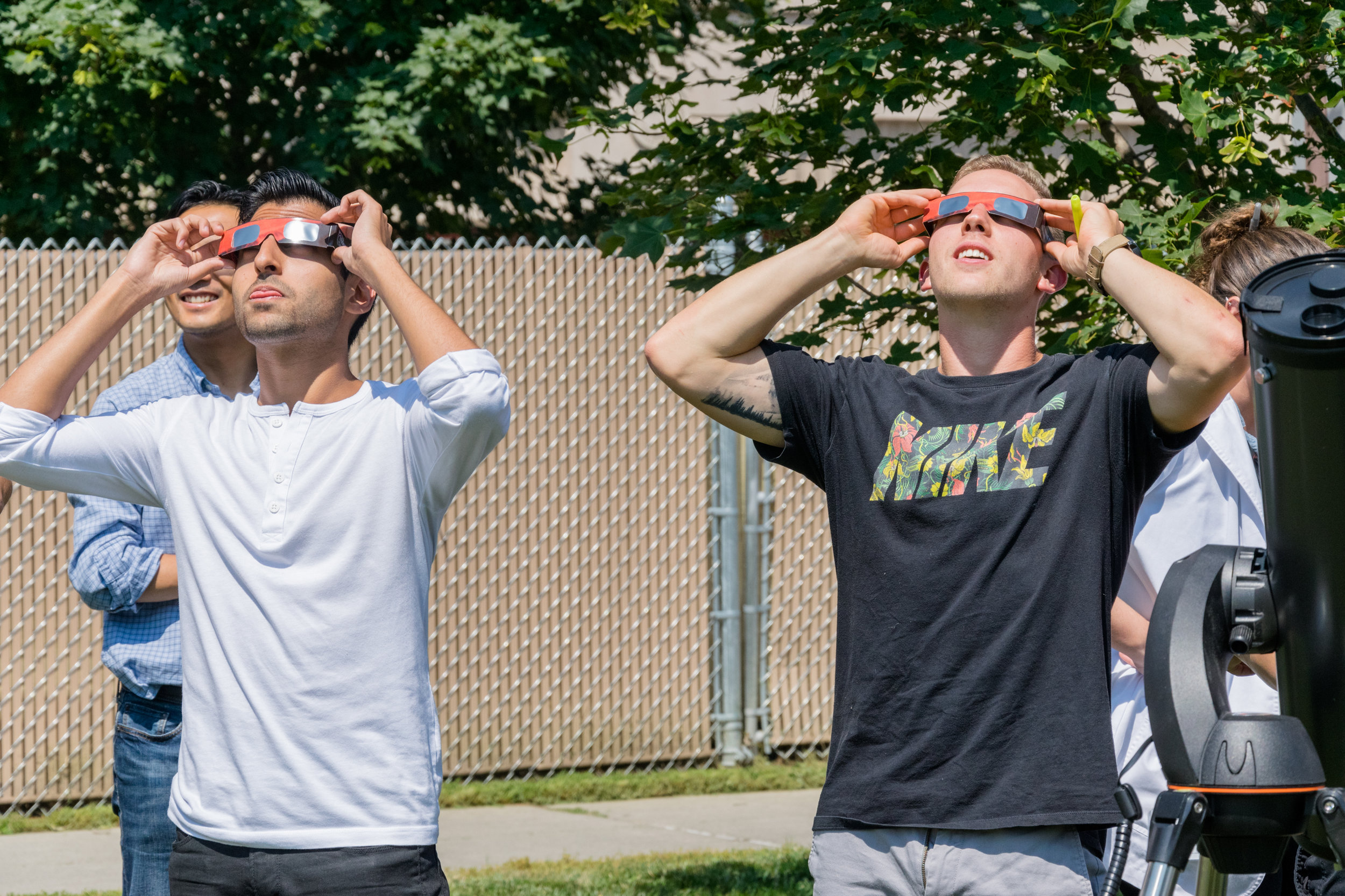
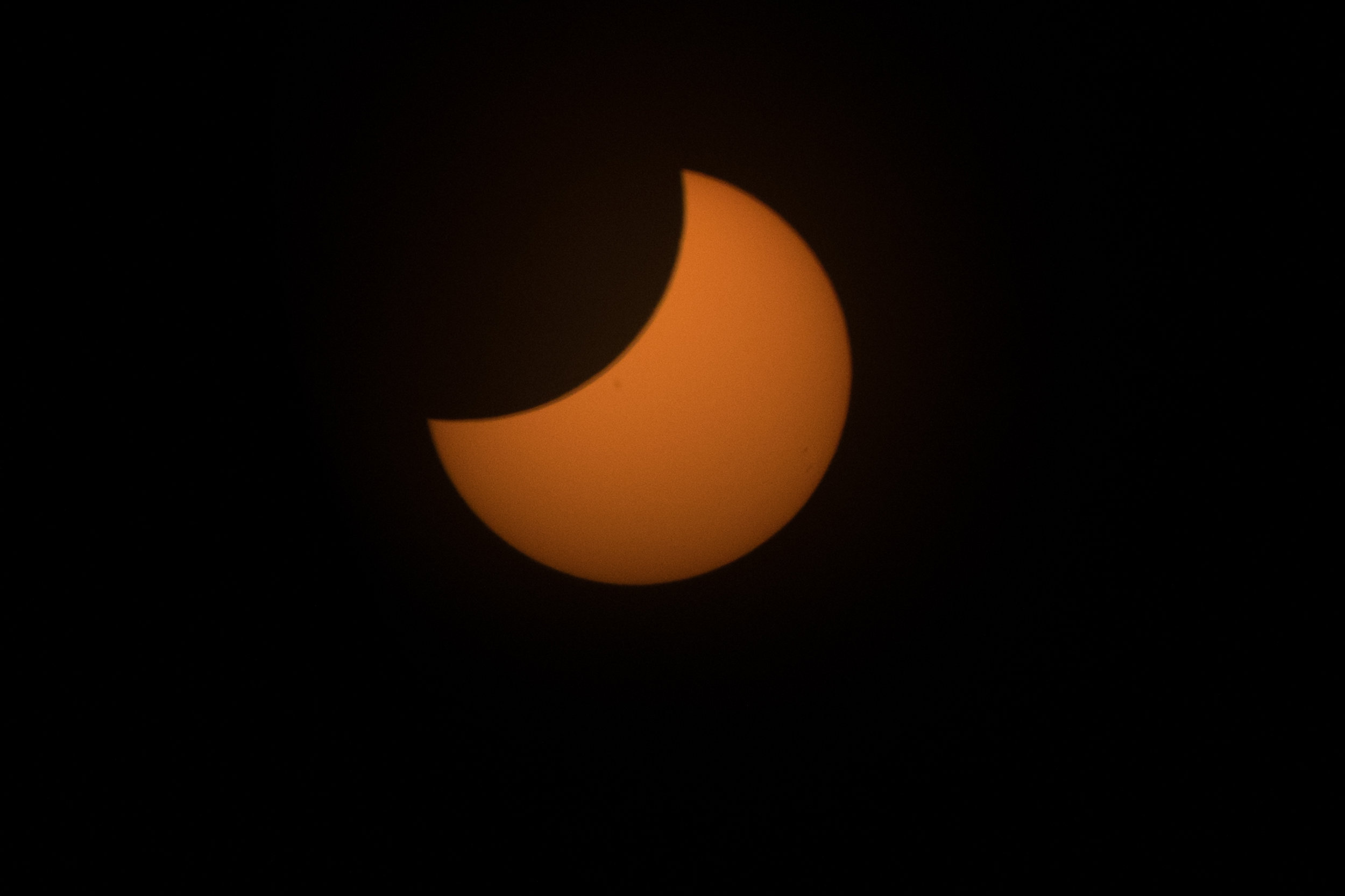
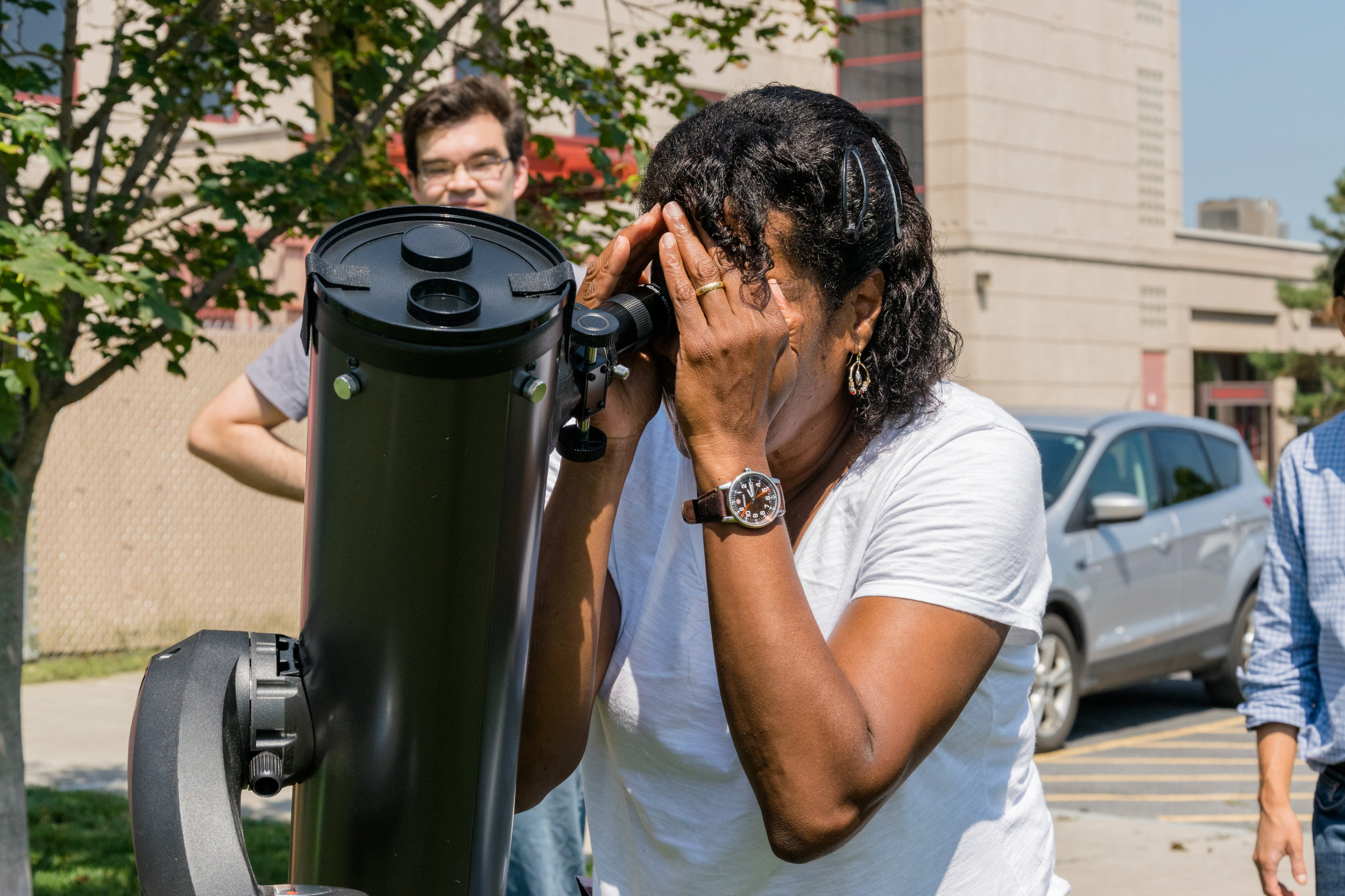
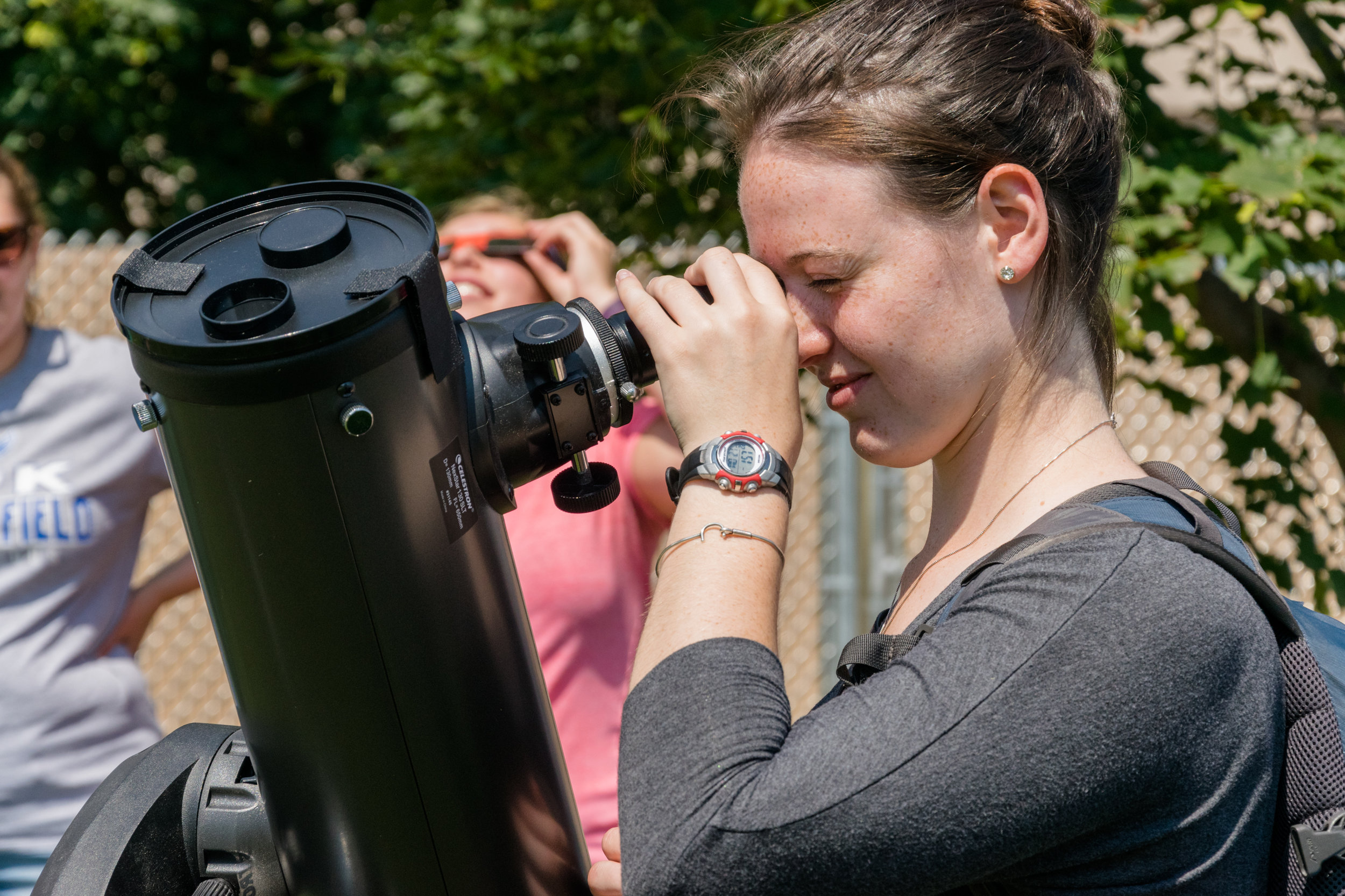
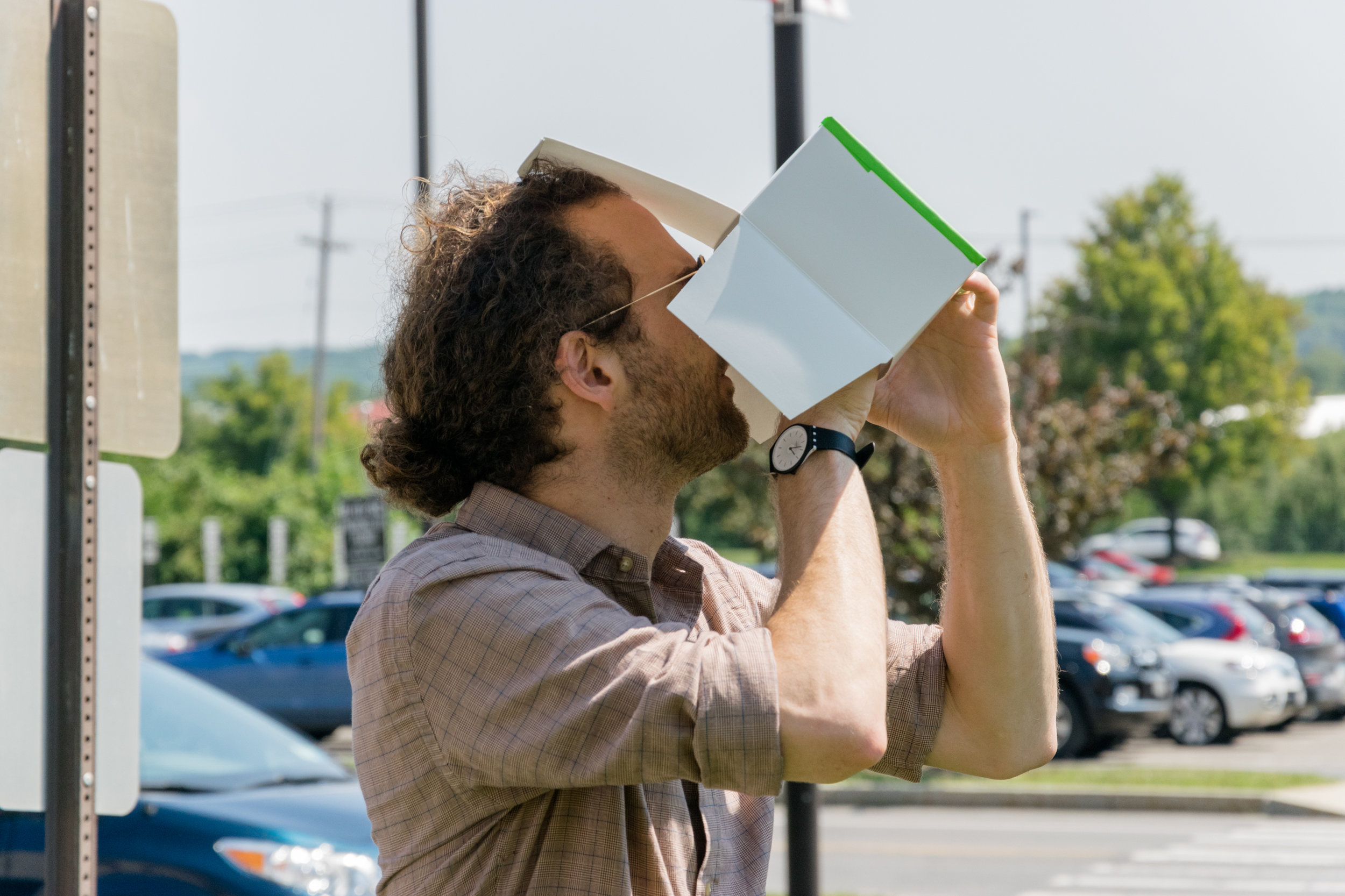
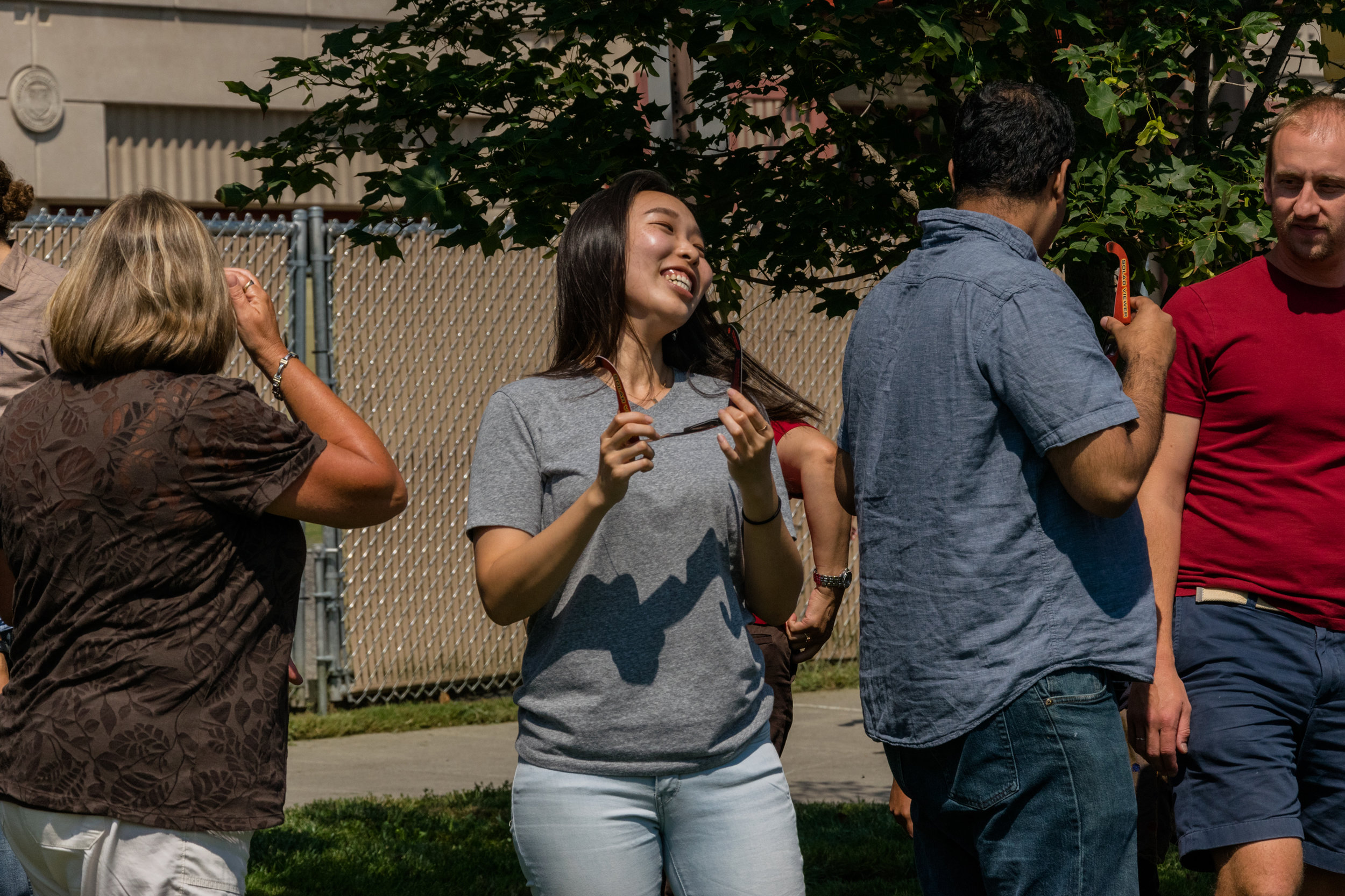
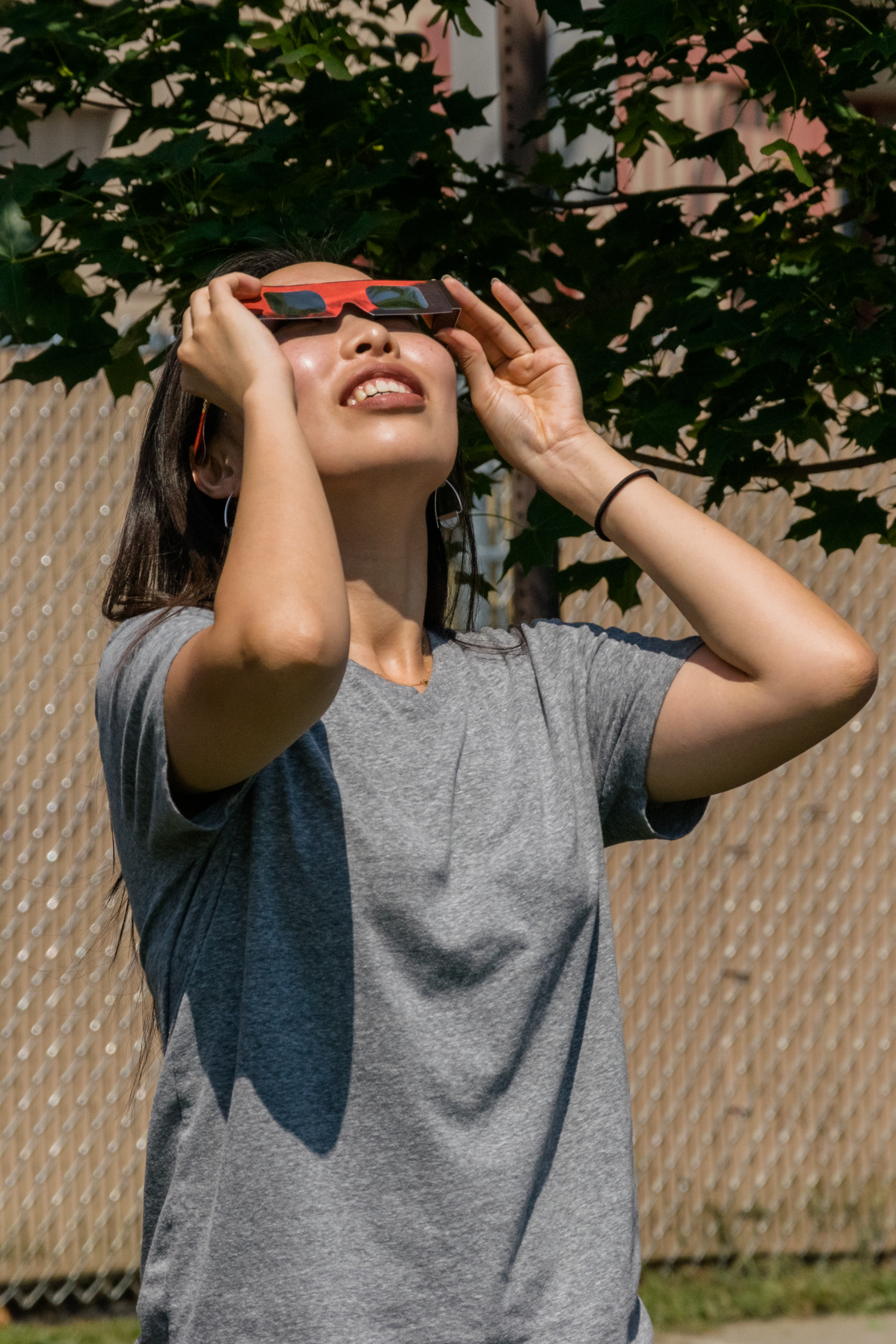
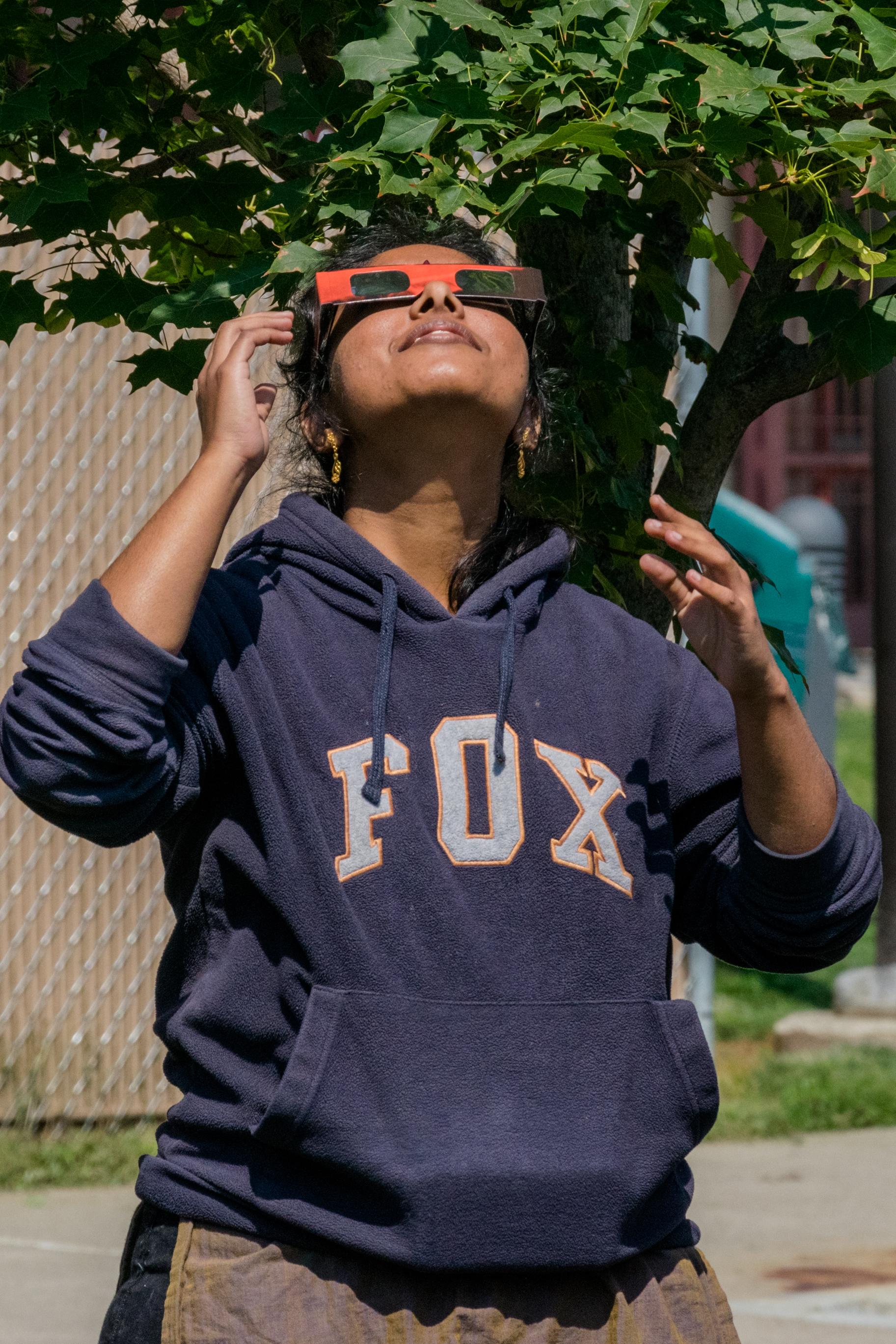
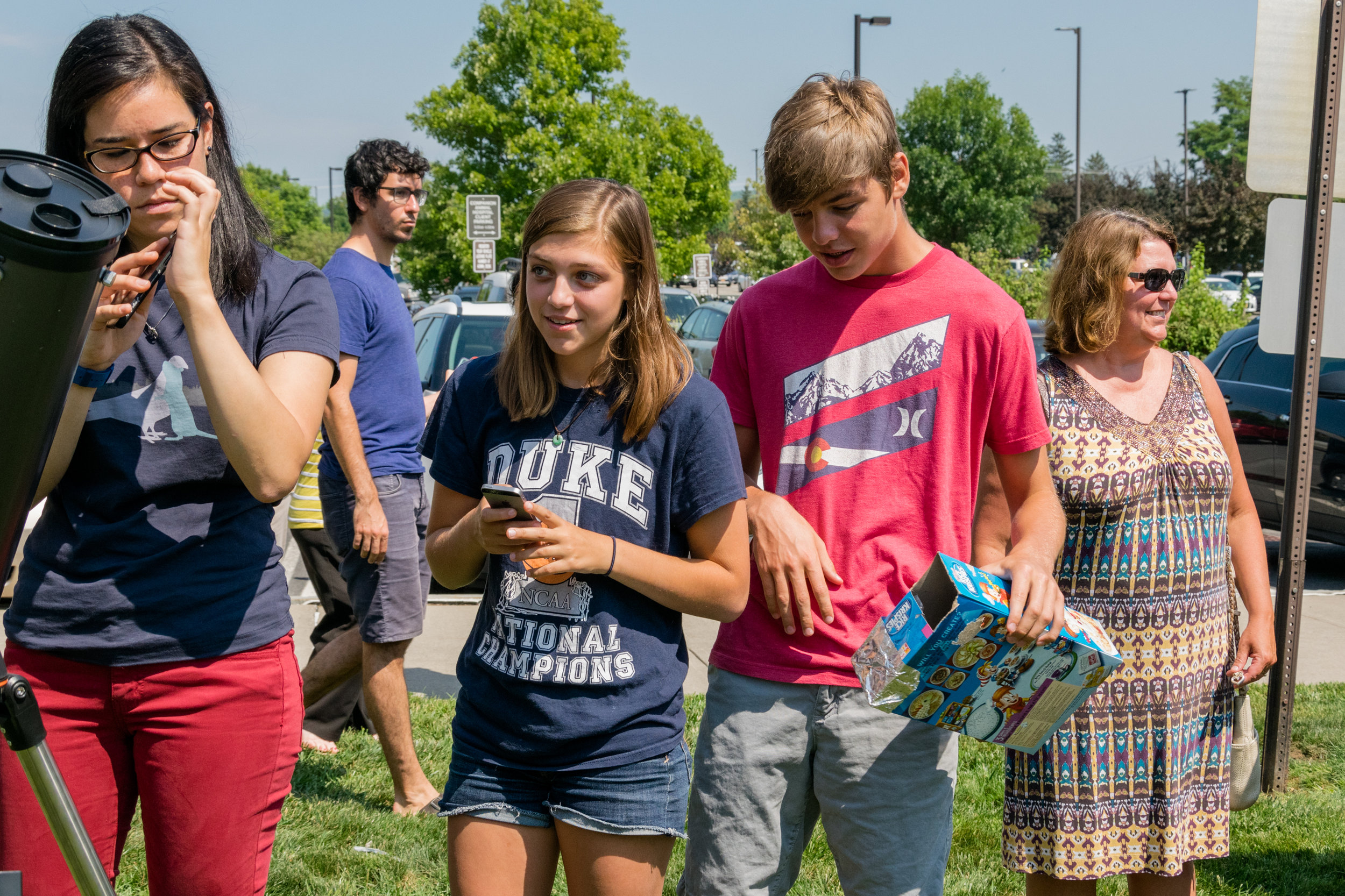
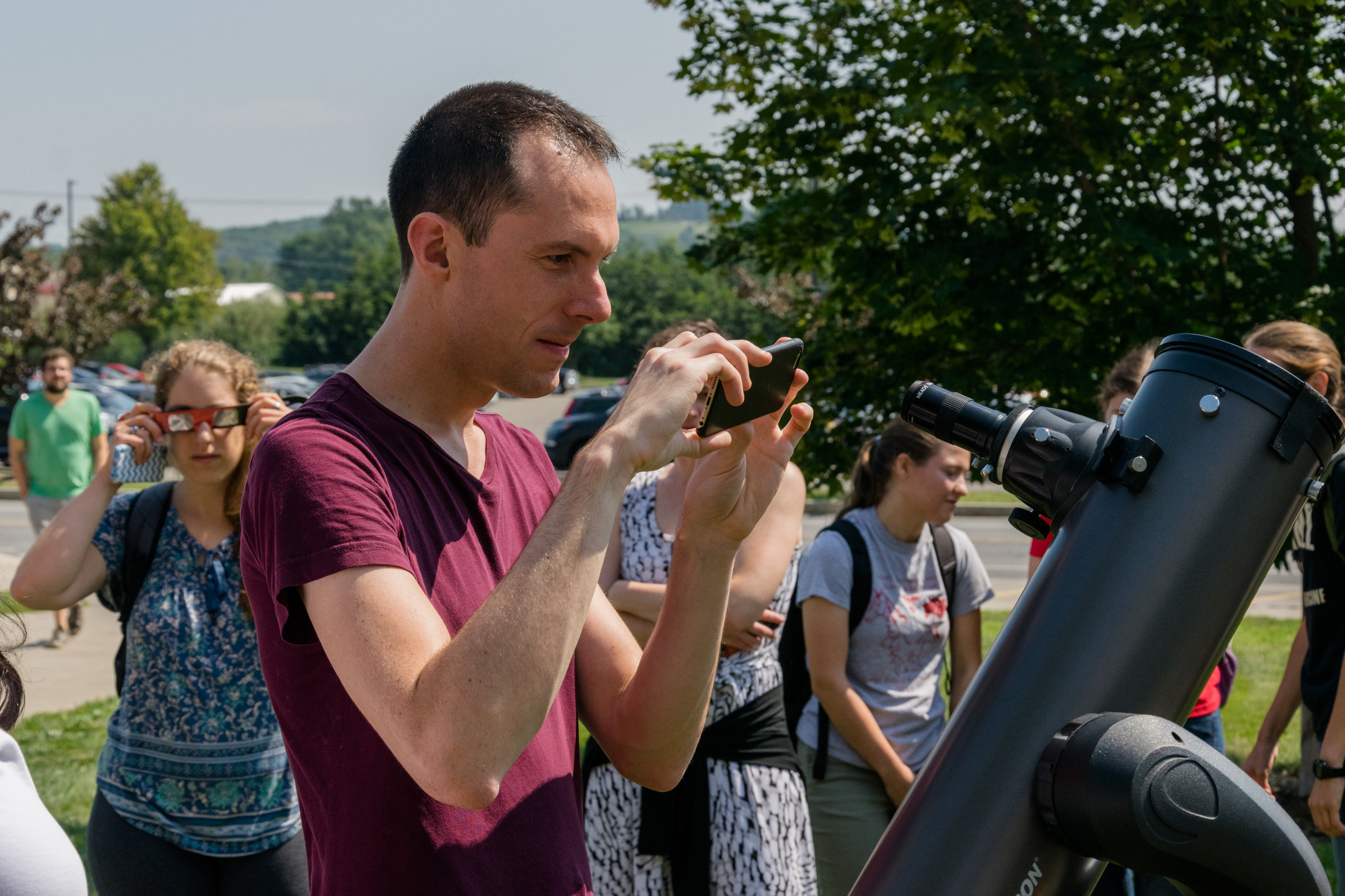
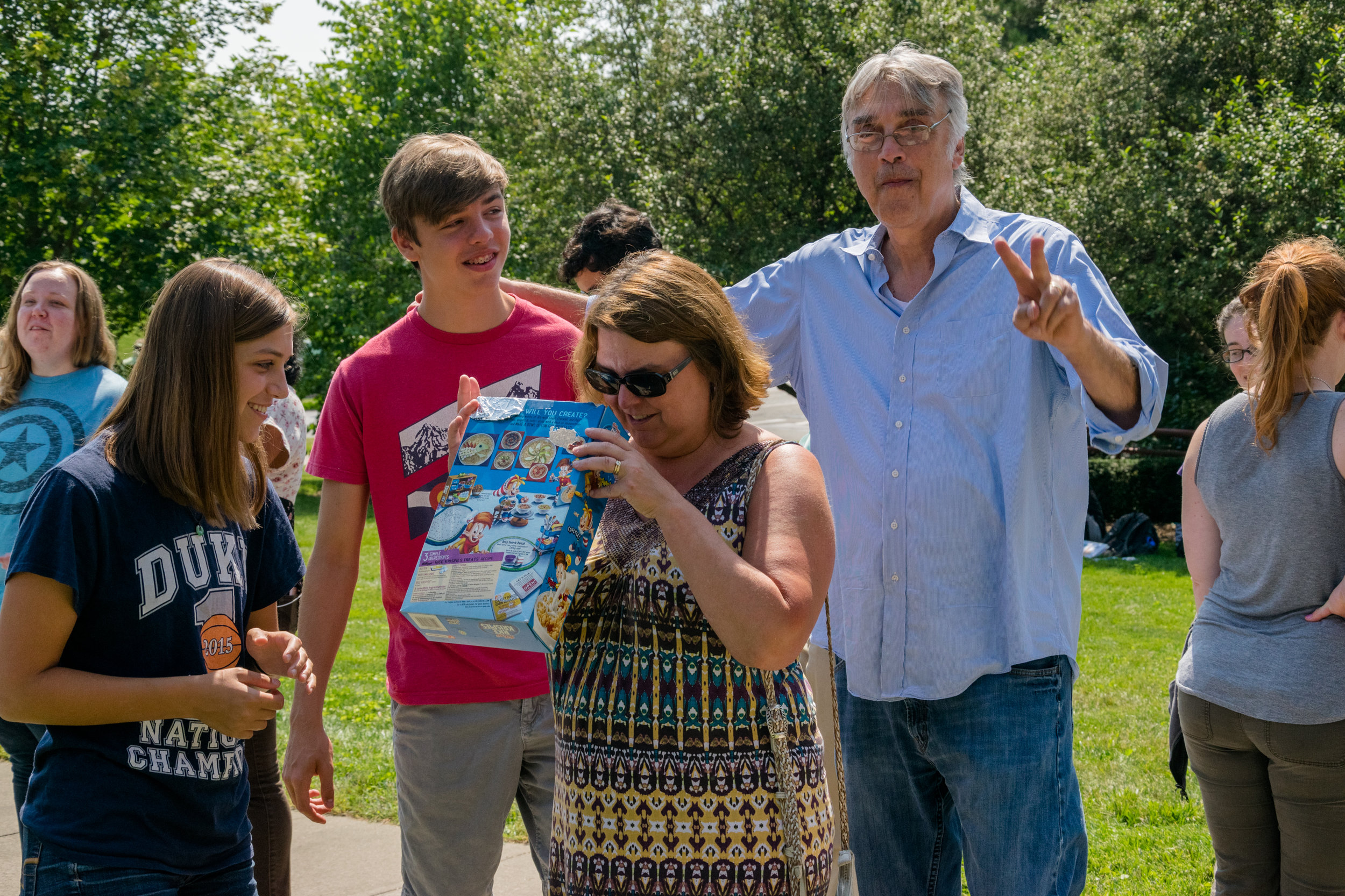
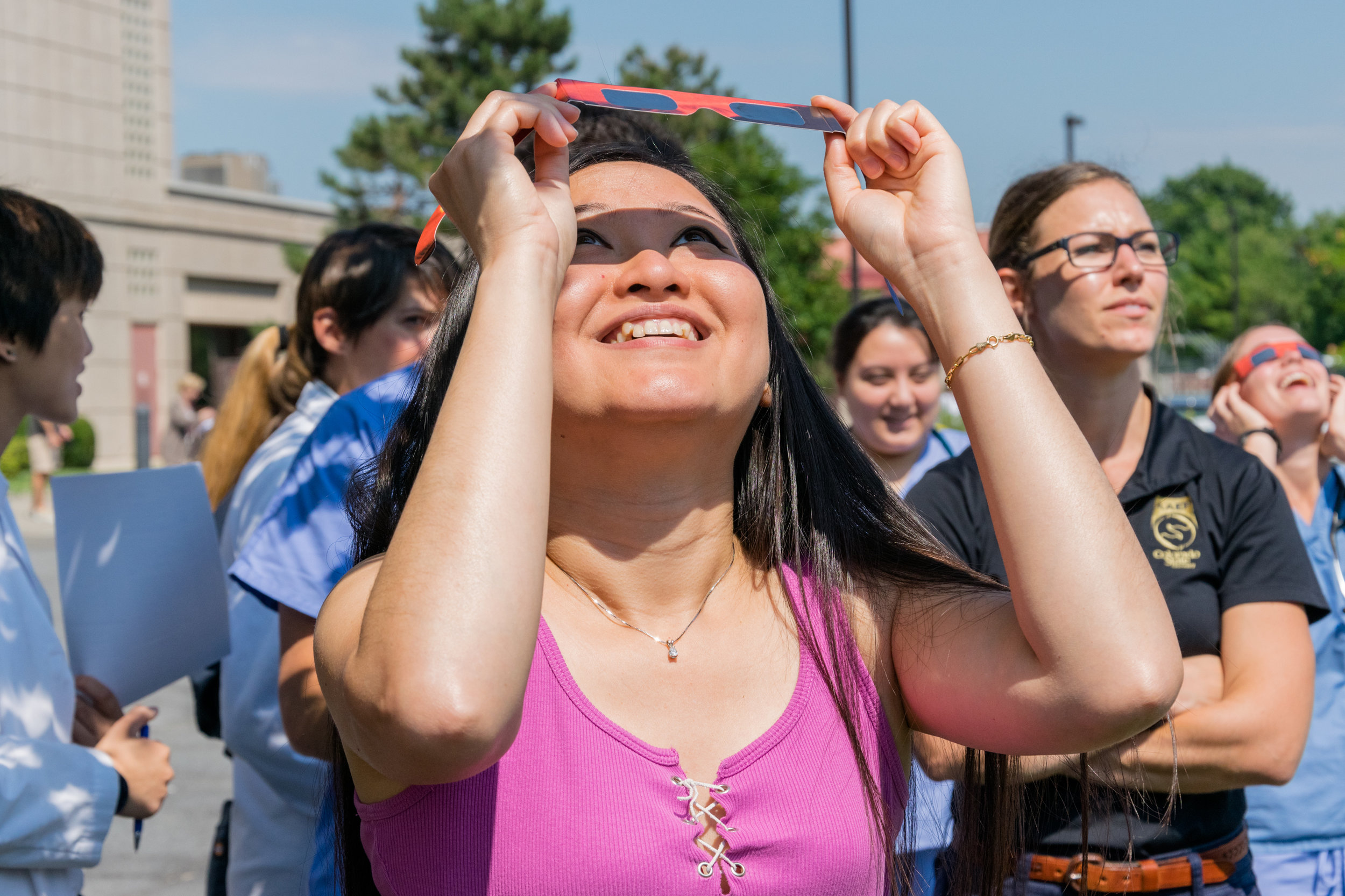
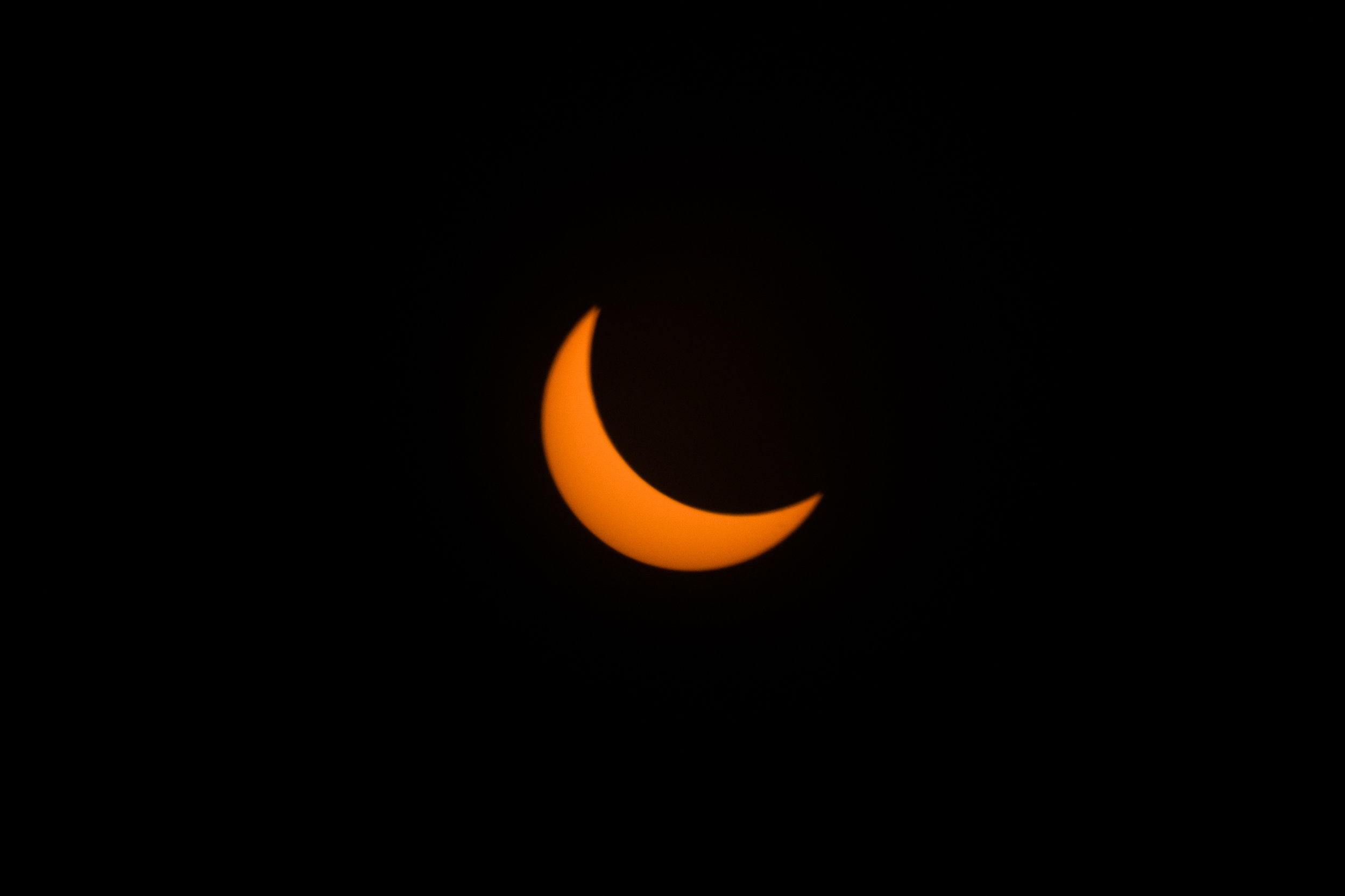
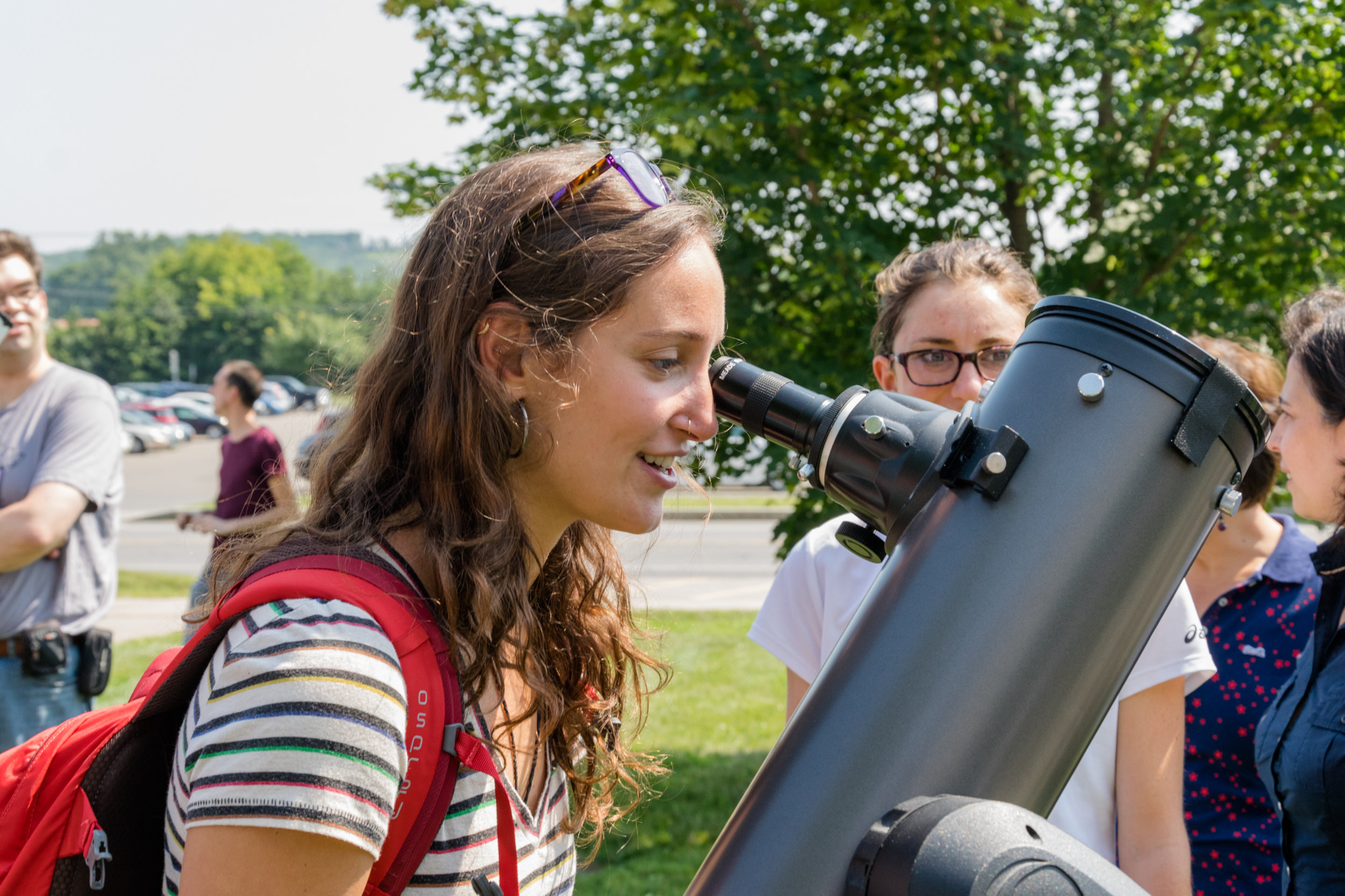
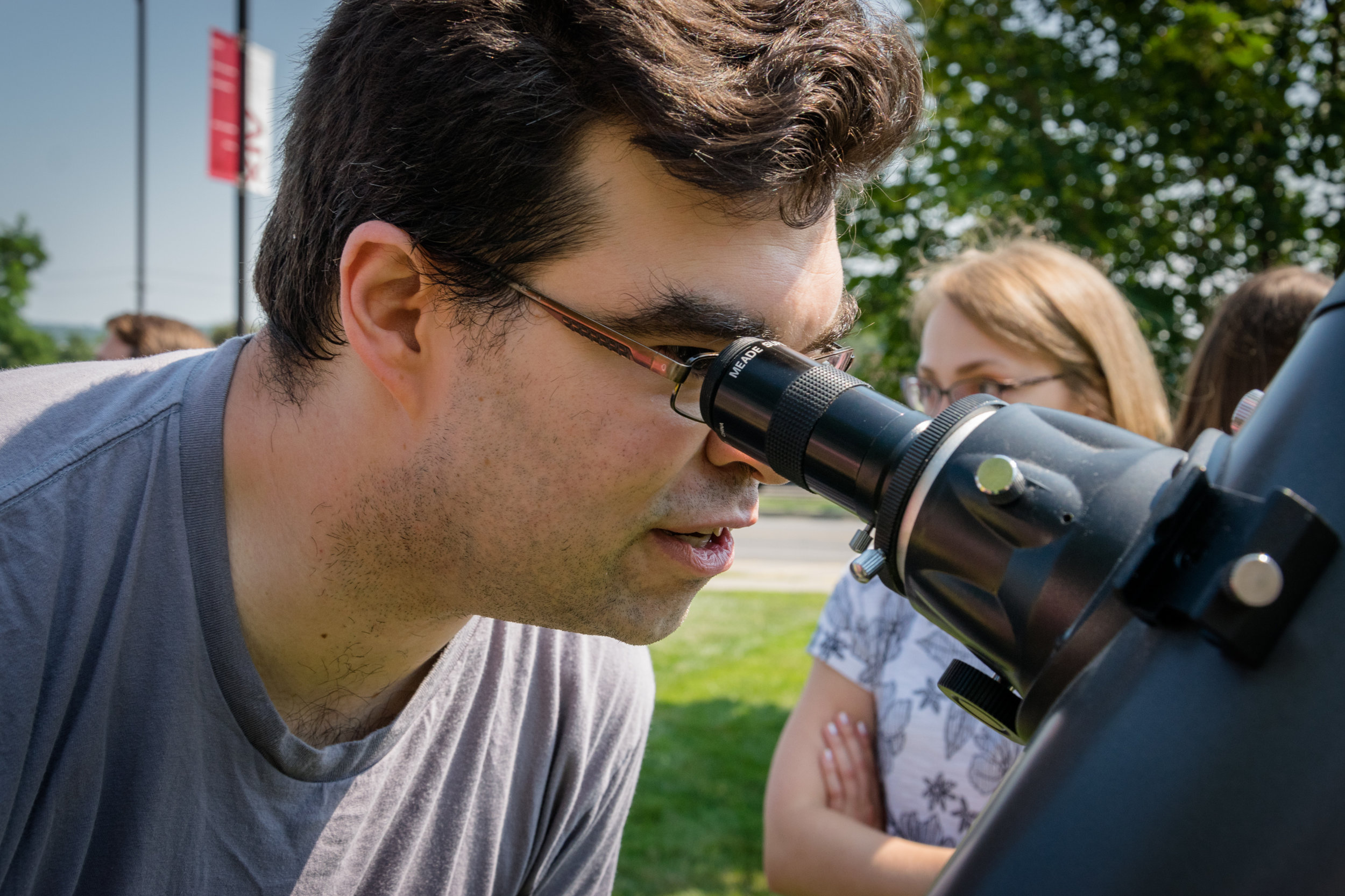
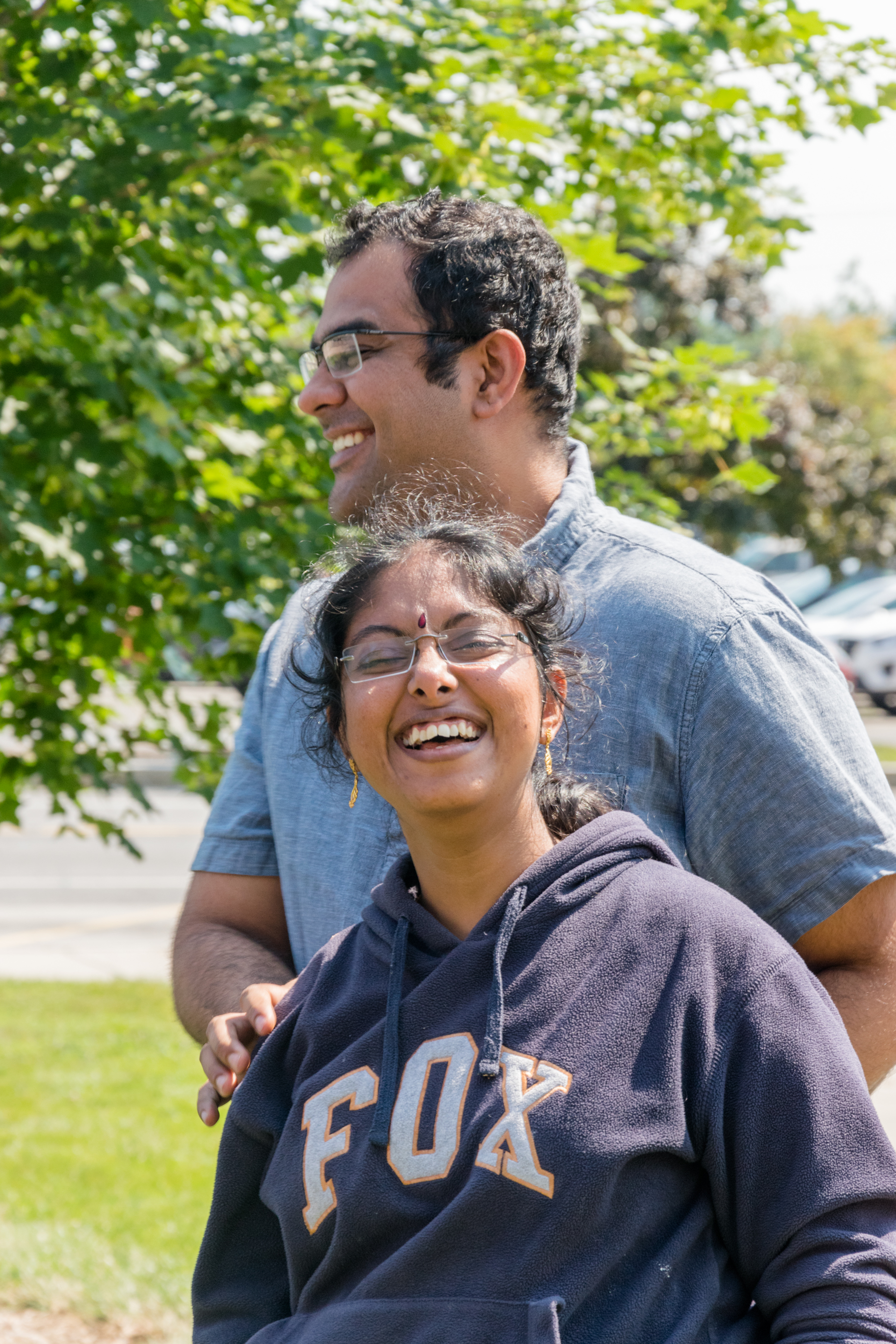
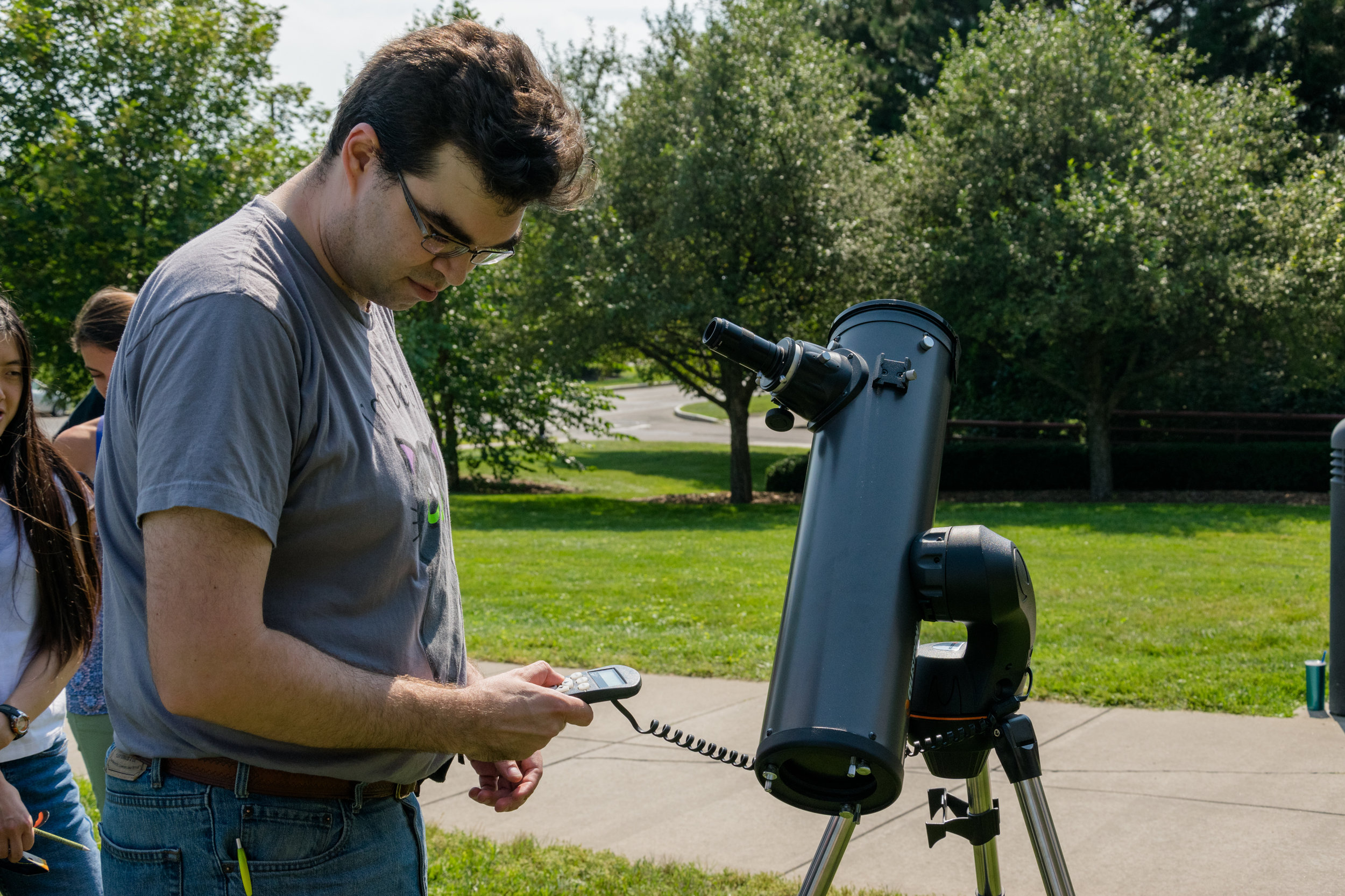
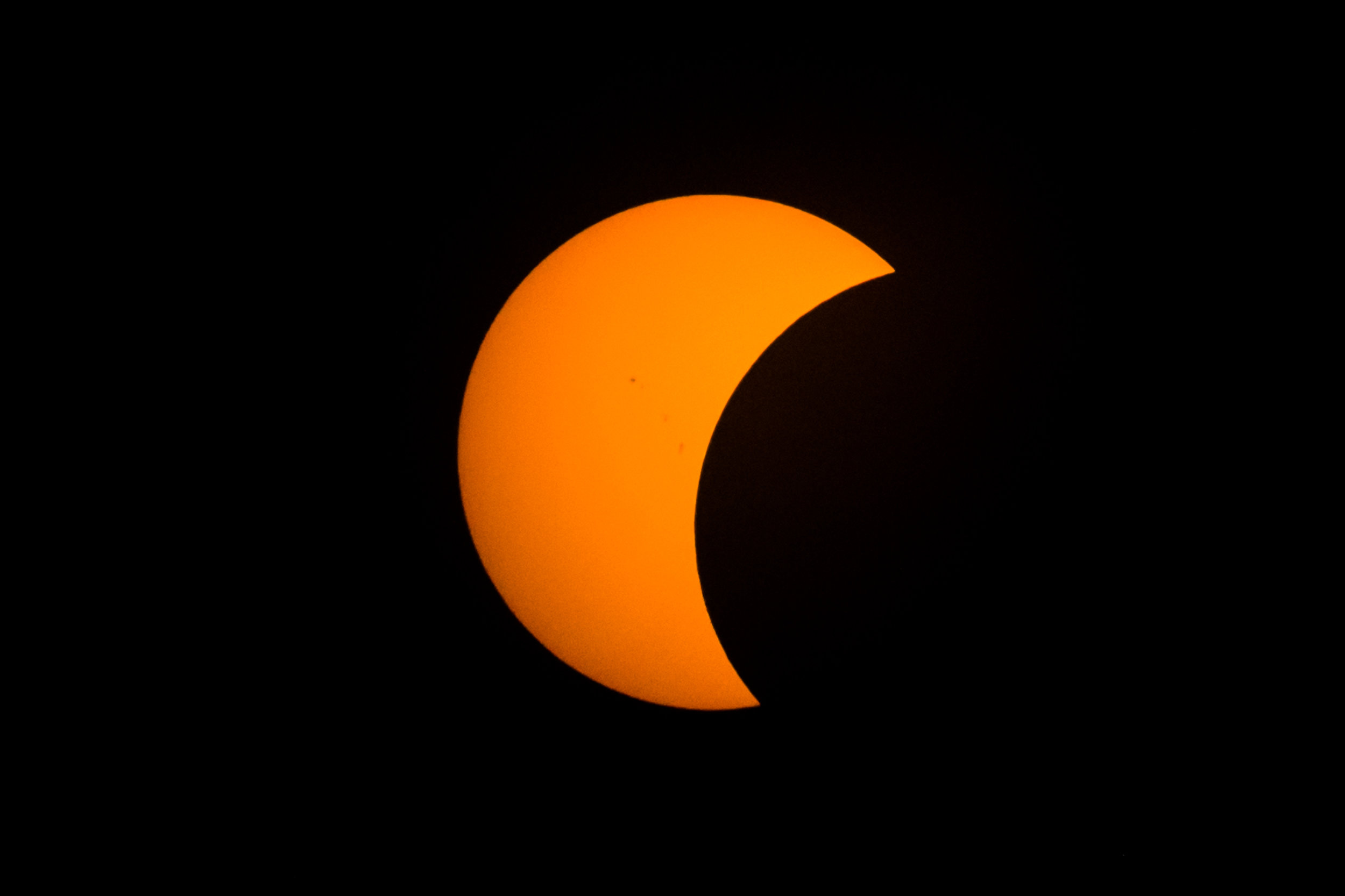
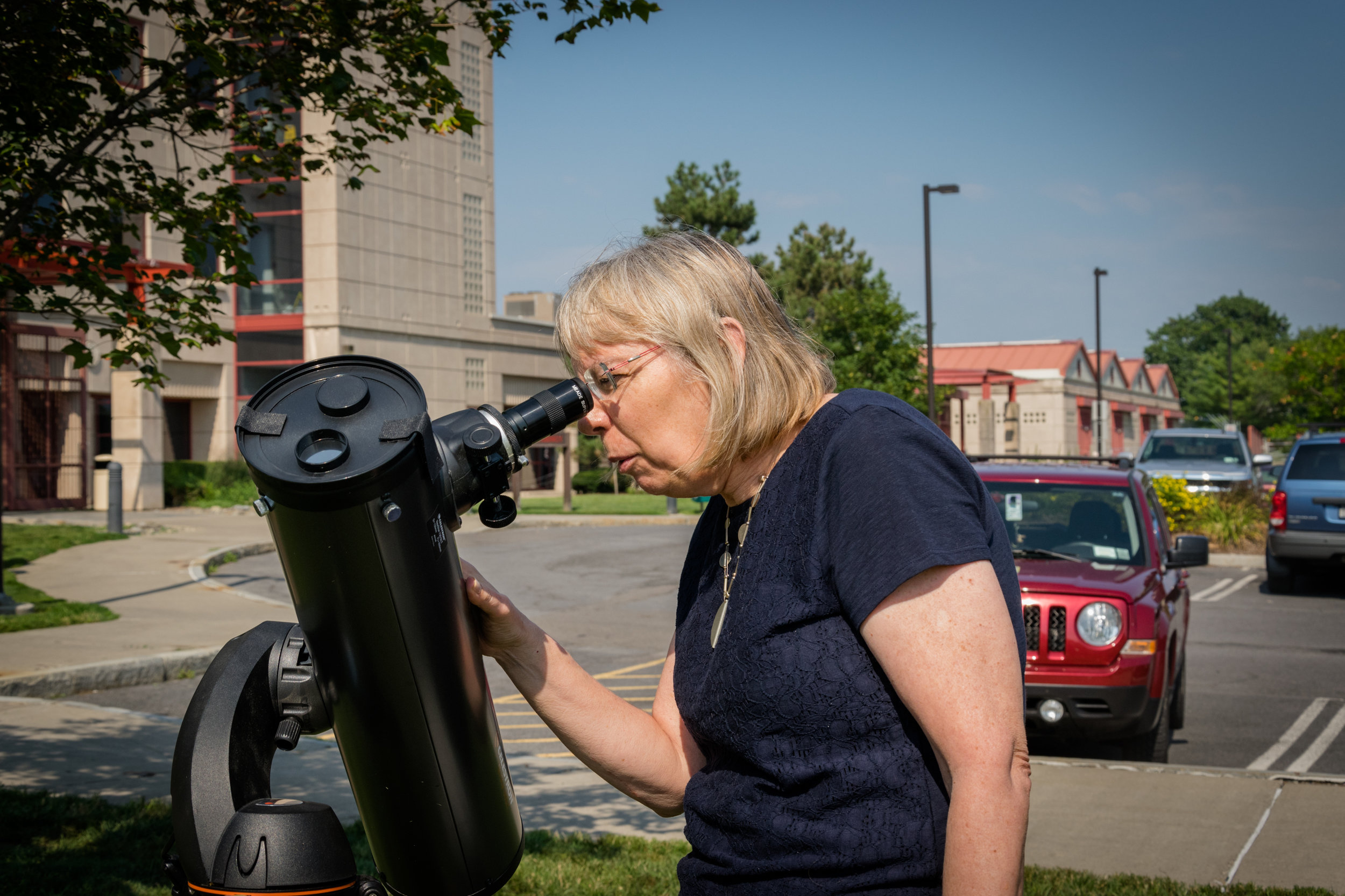
Photos by: Julio C. Sanchez
Yun Ha Hur receives award for poster presentation at BBS Symposium
Yun Ha currently studies the effects of stem cell derived extra-cellular vesicles on differentiated cells.

Photo by Julio C. Sanchez
Congratulations to Ahmad Cluntun for successfully defending his Ph.D. thesis!

Photo by: Julio C. Sanchez
Cerione Lab Begins its Presence on the Web!
With the advent of the internet in the late 70s, it wasn't a question of whether the lab would adopt the crazy environment, but rather, when. Fastforward to the 21st century, the Cerione lab has felt the time is here to represent its long lived efforts in biology to be shown to the world. Now, in a seemingly rare opportunity, you can peer into the exciting life of the Cerione Lab.
Enjoy!